At Boulder Valley Surgical Associates (BVSA), our experienced general surgeons
treat a wide variety of hernia types, some affecting the abdominal wall
and others the diaphragm and stomach. These repairs can be performed using
traditional open approaches, advanced laparoscopic techniques or minimally
invasive robotic surgery with the
da Vinci system.
What is a hiatal hernia?
A hiatal hernia occurs when the upper part of the stomach protrudes up
into the chest through the diaphragm — a muscle that maintains the
separation between the abdomen and the chest cavity.
The diaphragm has a small opening called a hiatus. The tube used for swallowing
food, called the esophagus, passes through the hiatus before connecting
to the stomach. When a hiatal hernia is present, the stomach pushes up
through that opening and into the chest.
Two main types of hiatal hernias
Sliding hiatal hernia (Type I) – The stomach and the lower esophagus slide up into the
chest. Typically, less serious and is often managed without surgery since
this type is most common (about 95% of all hiatal hernias).
Paraesophageal hiatal hernia (Types II-IV) – More serious because a sizable portion of the stomach
pushes up next to the esophagus. These paraesophageal hernias often require
treatment with surgery.
Type II: Paraesophageal (Rolling) Hernia
Type III: Mixed Paraesophageal Hernia
Type IV: Complex Paraesophageal Hernia
Types II-IV have risks that Type I hernias do not. These include:
Cameron’s ulcers and resulting anemia
Strangulation
Obstruction
Aspiration
How do you develop a hiatal hernia?
Several factors can contribute the development of all types of hiatal hernias,
including:
Natural weakening of the diaphragm with age
Increased pressure in the abdomen (from obesity, pregnancy or heavy lifting)
Women tend to develop hiatal hernias more frequently.
Chronic coughing or straining
It is our honor to know our team can assist you or your family with some
of life’s significant challenges. To make a consultation appointment with
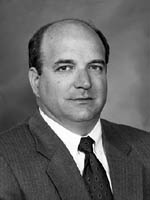
Lisa Balduf, MD, FACS, call
303-415-4599.
Symptoms of a hiatal hernia
Heartburn (often worse when lying down or bending over)
Gastroesophageal reflux
Regurgitation (Liquid material or food erupting from the esophagus into
the throat or mouth)
Difficulty swallowing (Dysphagia)
Abdominal discomfort or pain occurring after eating (Post prandial pain)
Feeling full shortly after starting a meal (Early satiety)
To learn more, you can watch the recording of Lisa Balduf, MD’s Community
Education Lecture
“Preventing & Treating GERD”
Making the diagnosis
Chest X-ray
Upper endoscopy (EGD): A 30-minute outpatient procedure with IV sedation evaluates the internal
appearance of the esophagus, stomach and duodenum (first, shortest part
of the small intestine) with a flexible camera. It confirms the presence
of a hiatal/periesophageal hernia (PEH) and assesses other complications
of the PEH.
Upper gastrointestinal series (UGI): A 30-minute fluoroscopic X-ray that evaluates the internal appearance
of the esophagus, stomach and duodenum (first, shortest part of the small
intestine). The chalky barium that patients drink coats the inner lining
and identifies ulcers, tumors, hernias or blockages. It highlights the
size and anatomy of a hiatal hernia, the position where the esophagus
meets the stomach and esophageal motility.
Chest or abdomen CT: These imaging scans can provide a more detailed anatomy of the hernia and
the relationship to the surrounding organs. It is often a complementary
exam to the Upper GI.
High-resolution esophageal manometry (HREM): During this 30-minute outpatient diagnostic procedure, patients are asked
to swallow small amounts of salt water to evaluate the causes of dysphagia.
Treatment options
Most small hiatal hernias do not go away, but symptoms can often be managed
with lifestyle changes and medication.
Lifestyle modifications: Some options to try including small, frequent meals; diet modifications;
chewing food well; eating the last meal of the day at least four hours
before bed; and using a wedge pillow for sleep to prevent nighttime regurgitation.
Medications can be prescribed toreduce, neutralize or block stomach acid, which can
relieve symptoms like heartburn and acid reflux, rather than repairing
the hernia itself. Common options include over the counter (OTC) antacids,
H2 blockers and proton pump inhibitors (PPIs).
Surgery: Options to "re-establish a valve between the esophagus and stomach."
Robotic assisted or laparoscopic paraesophageal hernia repair (BMI <35) isthe treatment of choice for symptomatic paraesophageal hernias.This minimally
invasive procedure:
Returns the stomach to the abdomen.
Closes and/or repairs the diaphragmatic opening.
Is often coupled with a wrap or fundoplication to create a “new valve”
between the stomach and esophagus.
Laparoscopic paraoesophageal hernia repair with Roux-en-Y gastric bypass
may be recommended for patients with a BMI >40.
What to expect after hiatal hernia surgery
Immediately following hiatal hernia repair, patients are placed on a special
diet for one month after the operation.
Avoid carbonated drinks (sodas and sparkling water) for the first six to
eight weeks after surgery.
Activity is restricted for six weeks after surgery.
Relief of symptoms.
Can frequently stop taking acid reducing medications, such as proton pump
inhibitors.
It is our honor to know our team can assist you or your family with some
of life’s significant challenges. To make a consultation appointment with
Lisa Balduf, MD, FACS, call
303-415-4599.