Boulder Community Health (BCH) is expanding access to
advanced heart care with a newly upgraded cardiac catheterization laboratory at Foothills
Hospital. As our community's senior population grows, it is important
that residents have access to the highest quality heart care close to home.
This investment also reinforces two key priorities of the 2026-2028 Strategic
Plan: Growth and Operational Excellence.
The new Cath Lab is a testament to the strength of our interventional cardiology and
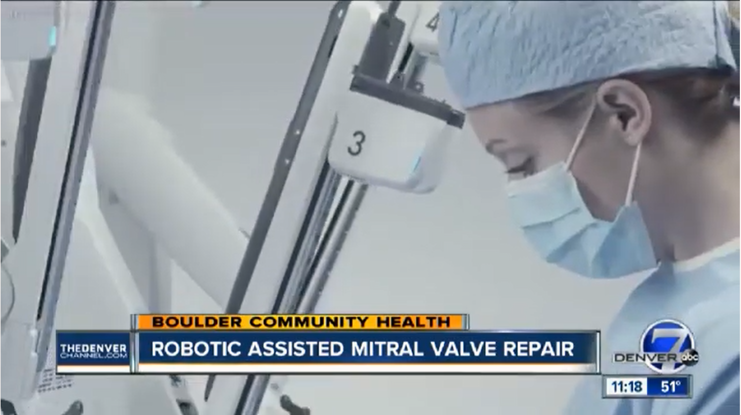
Structural Heart & Valve programs, and the trust our community has long placed in experienced teams
at Boulder Heart and Foothills Hospital. Our Cath Lab enhancements will
deliver higher quality imaging, increase operational efficiency, and improve
radiation safety for patients and staff.
What is a Cath Lab?
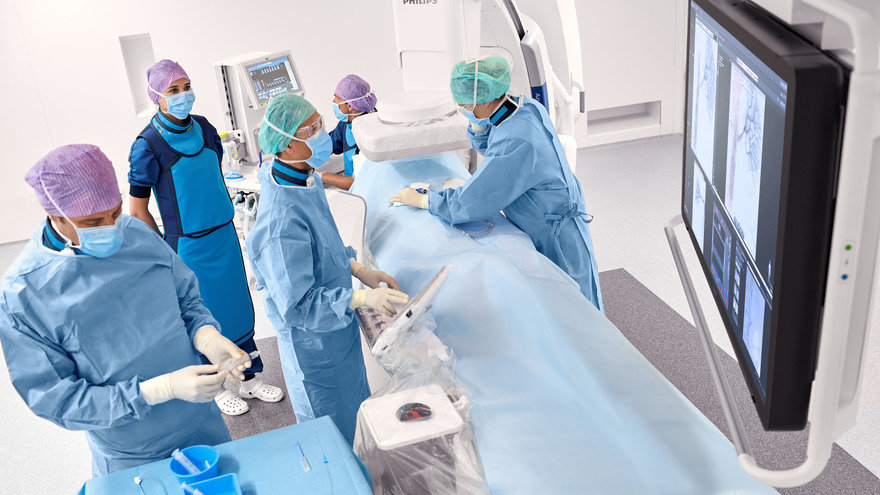
A cardiac catheterization lab, or Cath Lab, is a specialized procedure
room where cardiologists and interventional/structural cardiologists diagnose
and treat many heart and blood vessel conditions without open-heart surgery.
Using advanced imaging and thin, flexible tubes called catheters, physicians
can perform procedures such as opening blocked arteries, repairing heart
valves, and evaluating heart function. These minimally invasive procedures
often result in shorter recovery times and allow many patients to return
home the same day or the next day.
What the new Cath Lab means for patients
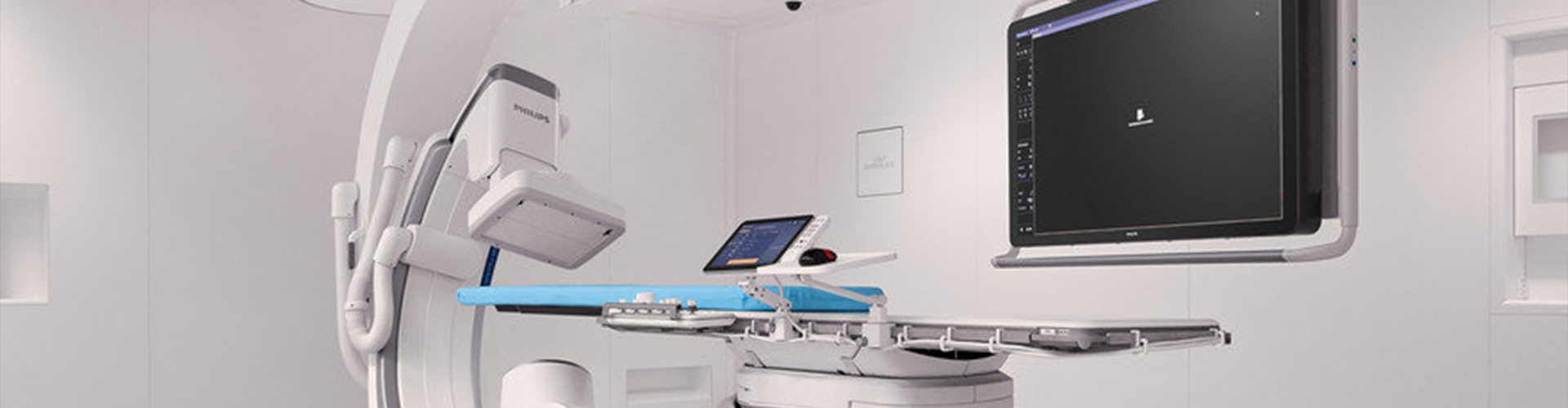
The cornerstone of these improvements is our investment in the
Philips Azurion 7 C20 FlexArm System, which provides greater flexibility and advanced capabilities in the Cath Lab.
For patients, this means:
Clearer images for better care. Advanced imaging helps cardiologists more accurately identify heart conditions
and treat blocked arteries and other cardiovascular problems.
Less movement during procedures. The system can create detailed 3D images without having to reposition
patients, making procedures smoother and more comfortable.
Faster response when every second counts. The technology allows care teams to quickly adapt during emergencies or
unexpected changes.
Lower radiation exposure. Advanced radiation management helps reduce X-ray exposure for both patients
and staff.
Potentially shorter procedures. Improved technology and streamlined workflows may shorten procedure times
and reduce the amount of time patients spend under anesthesia.
Greater comfort for patients and care teams. The room’s design improves access and ergonomics, helping teams
provide efficient, coordinated care.
BCH expects to begin upgrades to its second Cath Lab by the end of 2026.
Special thanks to the BCH Foundation
BCH is grateful to the
BCH Foundation for funding an important addition to the new Cath Lab: the EggNest™
radiation protection system.
This technology helps reduce radiation exposure for patients and members
of the interventional cardiology team by 91–98%.
During procedures, clinicians can safely wear lighter protective equipment—or
in some cases work without traditional heavy lead aprons—reducing
the physical strain associated with long procedures.
Because protection is personal, clinicians can choose the level of protection
that works best for them. Most importantly, they no longer must choose
between reducing radiation exposure and avoiding the back and joint strain
caused by heavy lead aprons.
About Boulder Heart
Our highly experienced cardiologists and surgeons build lasting personal
relationships with each patient. We listen to you, we know your history,
and we partner with your other medical providers - from primary care to
cardiopulmonary rehab - to provide the right cardiac care at the right
time. We offer our area's only full-service cardiology program, providing
everything from diagnostic tests to advanced treatments.
Our program continually adds technologically advanced cardiac services
because our community deserves convenient access to a full range of lifesaving
treatments, along with the personal care you need when faced with health concerns.