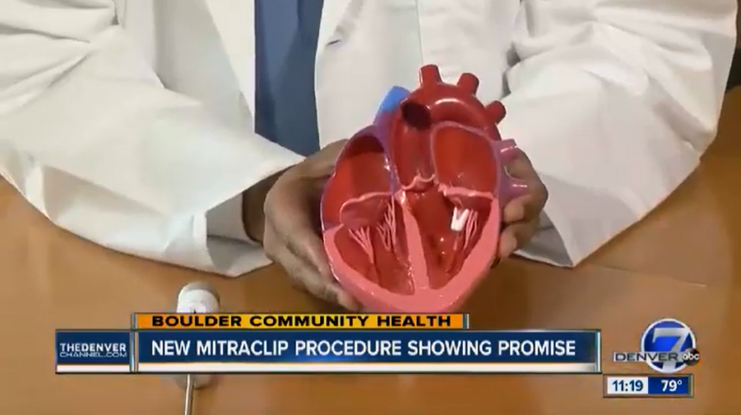
Atrial fibrillation (AFib) is an abnormal heart rhythm (arrhythmia) that
impacts 1 in 5 individuals during their lifetime and accounts for 15-20%
of strokes in the U.S. Fortunately, three out of four strokes caused by
AFib can be prevented. More than 50% of patients with AFib do not have
obvious symptoms. Because AFib is a progressive disease, early diagnosis
and careful management of the condition is crucial.
An appointment with the AFib Clinic at Boulder Heart—located in the
Anderson Medical Center—provides a centralized entry point into the only full-service cardiology
program in Boulder County, providing everything from diagnostic tests
to advanced treatments to
cardiopulmonary rehab. Ensuring the best outcomes and quality of life is our team’s number one goal.
Boulder Heart also offers one of Colorado’s most sophisticated facilities
for diagnosing and treating heartbeat irregularities. Our Electrophysiology
(EP) Lab is equipped with advanced technologies such as an all-digital
biplane fluoroscopy system, Carto 3D mapping system and intra-cardiac
ultrasound. Radiofrequency (RF) ablation and cryo ablation are both available
at Boulder Heart as forms of arrhythmia treatment.
To learn more about AFib or to make an appointment, please call
303-443-AFIB or email
afib@bch.org. Boulder Heart is the only
full-service
cardiology program in Boulder County.
The AFib Clinic at Boulder Heart’s highly experienced and extensive
team includes:
Electrophysiologists (cardiologists specializing in heart rhythm problems)
General cardiologists
Cardiothoracic surgeons
Specially trained nurse practitioners, physician assistants and nurses
Clinic Services Include:
Prompt and thorough evaluation
Extensive education for patients detailing how the disease develops, reviewing
treatment options and promoting healthy lifestyle modifications and recommendations
with medication management
Individualized, comprehensive care plans taking a patient from diagnosis
through minimally invasive treatment into a successful return to an active life
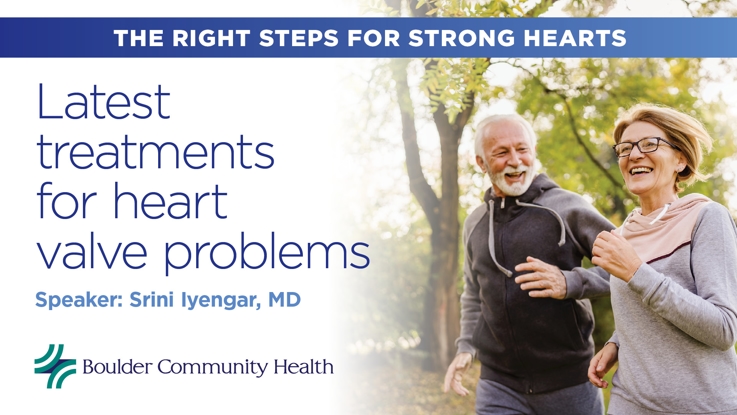
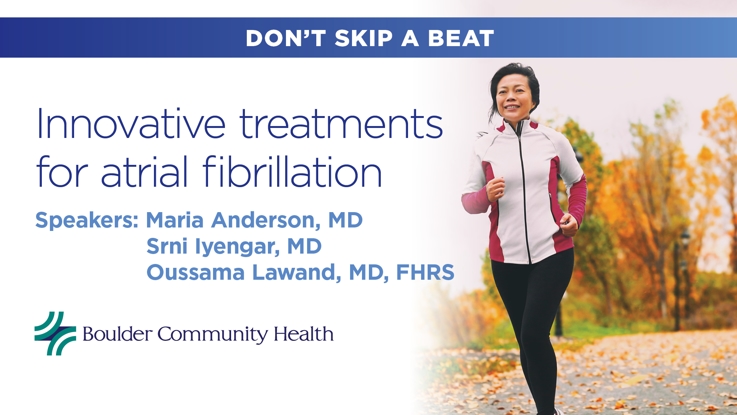
BCH Lecture: Innovative Treatments for Atrial Fibrilation 10/25/22
What is AFib?
Atrial fibrillation, also known as AF or AFib, is an irregular heart rhythm
(arrhythmia).
There are three types of atrial fibrillation, each affecting the heart’s
timing, or electrical system. The three types of AFib, usually classified
based on duration, are:
Paroxysmal (lasts less than 7 days)
Persistent (lasts more than 7 days or a cardioversion is needed)
Permanent (here to stay)
AFib can be dangerous because it increases the risk of stroke by nearly
five-fold and makes a patient more prone to develop heart failure and
other heart-related complications.
Since patients with AFib may also have diagnoses including hypertension,
dyslipidemia, heart failure, coronary artery disease, obesity, diabetes
and sleep disorders, the AFib Clinic partners with highly qualified specialists
to optimize monitoring and provide the highest quality, holistic, patient-centered care.
AFib Symptoms
More than 50% of patients with AFib do not have symptoms. However, symptoms
of atrial fibrillation can include:
Palpitations
Fatigue
Shortness of breath
Dizziness
Chest discomfort
Technologies for Treatment of AFib
Our experts help restore your heart rhythm. Boulder Heart is committed
to providing patients access to cutting-edge treatments including:
Advanced catheter ablation techniques: Ablation is selective elimination of tissue that causes dysrhythmias. Either
radiofrequency (high frequency electrical energy) or cryo (freezing) can
be used for this purpose. This is achieved by catheters (thin tubes with
electrodes) that are inserted via the femoral veins in the groin and threaded
to the heart.
Cox-Maze IV and hybrid ablation: The "gold standard" for surgical AFib treatment. Through small
incisions and punctures in the chest, a surgeon uses radiofrequency or
freezing to create scar tissue in the upper chambers of the heart. The
scar tissue then interrupts the electrical signals causing AFib.
WATCHMAN device: The only FDA-approved implant proven to reduce stroke risk in people with
AFib that is not caused by a heart valve problem
Micra® leadless pacemaker: The world’s smallest pacemaker. This device offers certain advantages
over traditional pacemakers including no incision on the chest wall and
avoidance of leads in the venous system.
Risk Factors for AFib
The following factors increase an individual's risk for developing AFib:
Age is greater than 40 years
High blood pressure
Diabetes
Thyroid disease
Lung disease
Sleep disorders
Alcohol use
Smoking
Over-exercise
Valvular heart disease
Congestive heart failure
At the initial visit, the AFib Clinic team will emphasize lifestyle considerations
to reduce the risk of recurrent AFib. This may also increase the success
rate of our interventions.
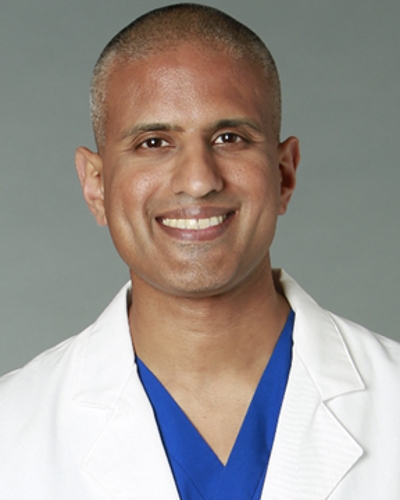
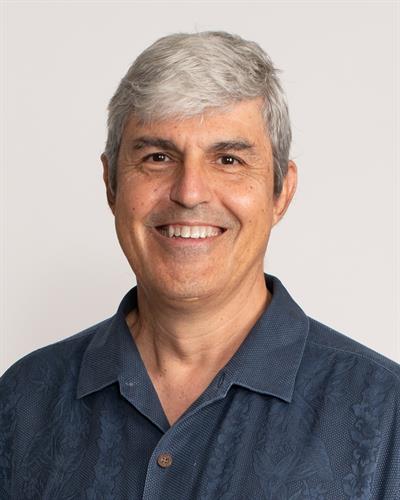
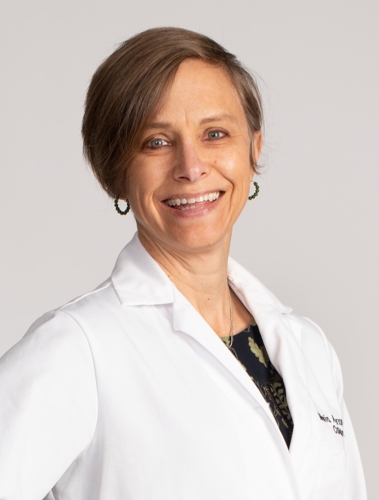
AFib Clinic Team
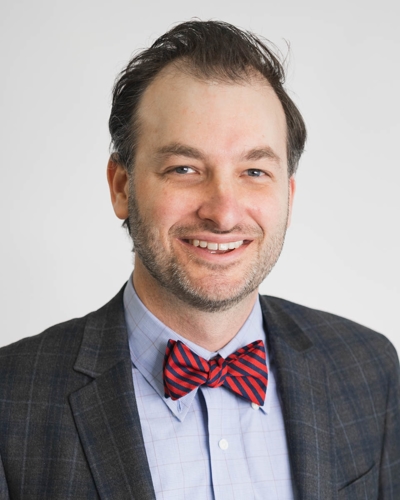
Maria Anderson, M.D.: Board-certified cardiologist and electrophysiologist, with fellowship
training in Advanced Ablation and Devices. She is also board-certified
in Lifestyle Medicine.
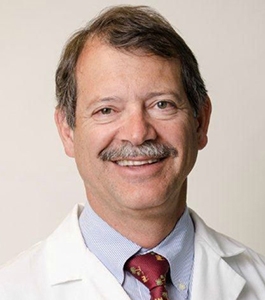
Oussama Lawand, MD, FHRS: Board-certified in Clinical Cardiac Electrophysiology, with extensive
experience in ablation of complex arrhythmias and cardiac rhythm device
implantation.
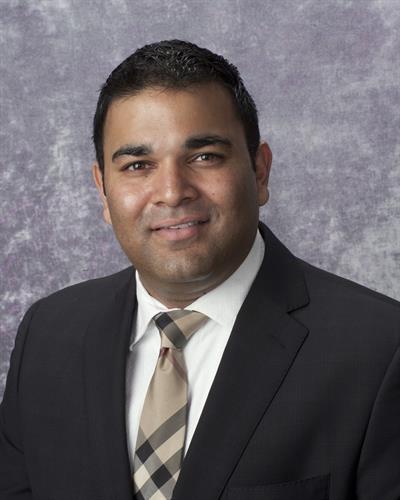
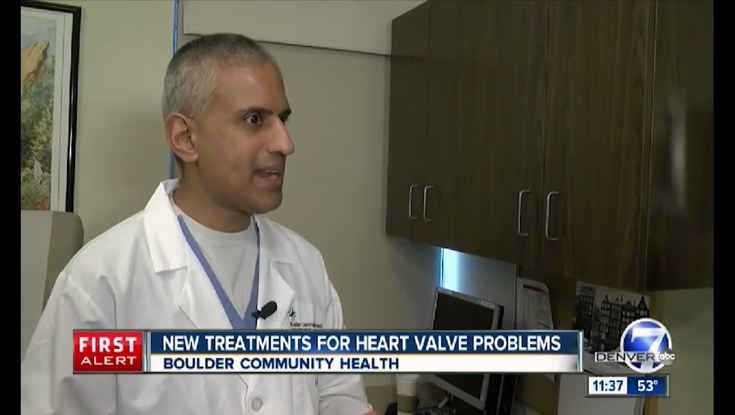
Srinivas Iyengar, M.D.: One of Colorado's most experienced specialists in WATCHMAN, an innovative
implant that reduces stroke risk in people with AFib that’s not
caused by a heart valve problem.
Bryan Mahan, D.O.: One of a handful of heart surgeons in Colorado specializing hybrid ablation
for difficult to treat AFib.
Schedule an Appointment Today
To learn more about AFib or to schedule a consultation, please call 303-443-AFIB or email
afib@bch.org.
The AFib Clinic at Boulder Heart model is based on the recommendations
and criteria previously outlined by the American College of Cardiology
for designated AFib Centers of Excellence. This model is utilized by several
institutions across the U.S. and is promoted by Heart Rhythm Society to
support the best possible care for patients with AFib.

 More than 50% of patients with AFib do not have symptoms. However, symptoms
of atrial fibrillation can include:
More than 50% of patients with AFib do not have symptoms. However, symptoms
of atrial fibrillation can include: