Stay sun-smart: How to protect yourself from UV rays with these 5 tips
- Category: General
- Posted On:
- Written By: Boulder Community Health
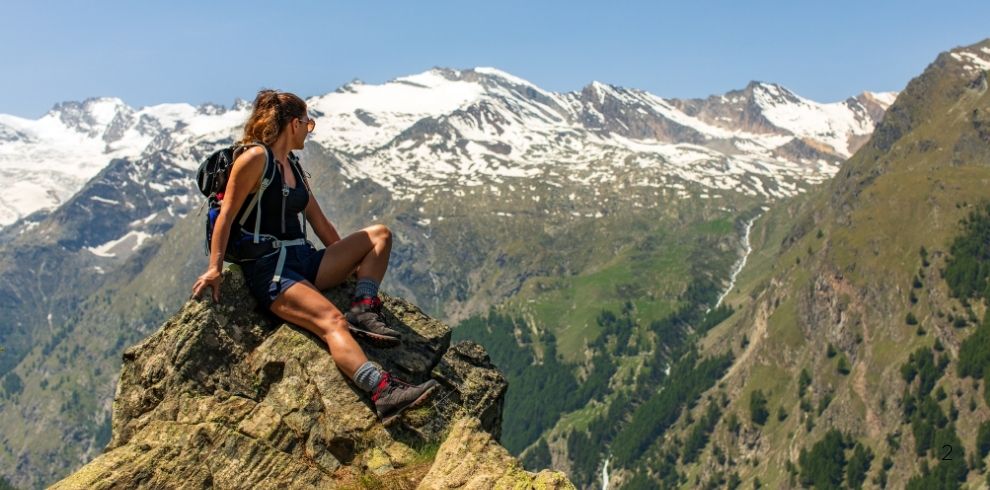
Colorado is known for its stunning mountain views, sunny skies and outdoor lifestyle. But those same bluebird days can come with an invisible risk: increased exposure to ultraviolet (UV) radiation. Even on cooler days or when it’s cloudy, ultraviolet (UV) radiation can still reach your skin. Because of high elevation, residents and visitors are closer to the sun and exposed to stronger UV rays throughout the year than people at sea level.
What are UV rays and why do they matter?
Ultraviolet (UV) rays are a form of non-ionizing electromagnetic radiation emitted by the sun. While they help our bodies produce vitamin D, too much exposure can be harmful.
UV radiation is divided into three types:
- UVA: Longer wavelengths that penetrate deeper into the skin and are present year-round. These are the wavelengths that cause skin aging.
- UVB: Shorter wavelengths that are more intense in the summer. These are the wavelengths that cause sunburn.
- UVC: Absorbed by the ozone layer and don't reach the Earth’s surface.
According to the CDC, UV exposure increases the risk of potentially blinding eye diseases and is the leading cause of skin cancer—the most common cancer in the United States. Too much UV exposure also contributes to premature skin aging, including wrinkles, dark spots and loss of skin elasticity over time.
Why UV rays are more intense in Colorado
At higher altitudes, the atmosphere is thinner, allowing more UV radiation through. For every 1,000 feet above sea level, UV intensity increases by about 4% to 5%. Since much of Colorado sits at 5,000 feet or higher, residents may experience 20% to 30% more UV exposure than those at lower elevations.
Add Colorado’s dry climate, reflective surfaces like snow or water, and a love for year-round outdoor recreation, and you’ve got a recipe for elevated UV risk—whether you're hiking, skiing, fishing, biking, or simply walking the dog.
One tool to help stay protected is the UV Index, a daily forecast that measures the strength of UV rays in a specific location on a scale from 1 to 11+:
- 0–2: Low risk
- 3–5: Moderate risk
- 6–7: High risk
- 8–10: Very high risk
- 11+: Extreme risk—unprotected skin can burn in minutes
In Colorado, it’s common for the UV Index to reach very high or extreme levels, even on cool or partly cloudy days. A UV Index of 3 or higher means it’s time to take extra precautions.
You can check your local UV Index on most weather apps or at epa.gov/sunsafety.
How to protect yourself year-round
Staying safe in the sun isn’t about hiding indoors—it’s about building smart habits. If you don’t enjoy wearing sunscreen or have sensitive skin, you still have options. Health experts recommend a combination of protective habits, layering multiple strategies together.
The American Cancer Society recommends using one or more of these steps to reduce UV damage:
- Use sunscreen—generously and consistently
Sunscreen helps protect your skin by filtering UV rays, but it doesn’t block them completely—and not all sunscreens offer the same level of protection.
Look for a broad-spectrum sunscreen with at least SPF 30, which guards against both UVA (aging) and UVB (burning) rays. Sun Protection Factor (SPF) tells you how much longer it would take for UVB rays to redden your skin compared to unprotected skin. Here's what that looks like in terms of coverage:
- SPF 15 blocks about 93% of UVB rays
- SPF 30 blocks about 97%
- SPF 50 blocks about 98%
- SPF 100 blocks about 99%
While higher SPFs offer slightly more protection, no sunscreen blocks 100% of UV rays. What's more important is how well and how often you apply it—every two hours, or more often if you’re swimming or sweating. Be thorough and don’t forget your ears, neck, lips, scalp, and the tops of your feet.
- Cover up with clothing
Long sleeves, pants, and wide-brimmed hats offer physical protection. Dark colors generally provide more protection than light colors, and a tightly woven fabric protects better than loosely woven.
Clothing with a UV Protection Factor (UPF) is especially effective and available at most outdoor retailers.
Hats with at least a two to three-inch brim help shade your face, neck, and ears—areas commonly affected by sun-related skin damage. Baseball caps don’t protect your neck or ears, so consider adding a bandana or shade flap underneath if that’s your go-to.
- Protect your eyes
Not all sunglasses are created equal. To truly protect your eyes, opt for wraparound styles that block 99% to 100% of UVA and UVB rays. Too much UV exposure can lead to serious, and even blinding eye conditions over time. Check for labels that say “UV absorption up to 400 nm” or “Meets ANSI UV Requirements” so you know you’re protected.
- Seek shade
Especially between 10 a.m. and 4 p.m. when the sun is strongest. Shade helps limit direct UV exposure, but rays can reflect off surfaces, so don’t skip sunscreen or sun-safe clothing even in the shade.
- Avoid tanning beds
Indoor tanning is especially dangerous for younger users. Tanning bed use has been linked with an increased risk of melanoma, especially if tanning bed use started before age 30. Even occasional use can increase your risk of skin cancer and premature skin aging.
Remember: a tan is not a sign of health. Tanning—whether from the sun or a tanning bed—is a sign that your skin has been damaged. There is no such thing as a safe tan.
Tanned skin is your body’s defense mechanism against DNA damage from UV exposure. Even if you don’t burn, frequent tanning accelerates skin aging, increases the risk of all types of skin cancer, and can lead to uneven pigmentation and long-term skin changes.
An extra reminder: Don’t forget the kids
Children’s skin burns faster and more easily than adult skin. Be sure to apply sunscreen, dress them in protective clothing, and keep babies under 6 months out of direct sunlight. Hats, sunglasses, and shade are just as important for little ones.
Get outside, but stay protected
Colorado’s sunshine is part of its charm—but also part of the challenge. Protecting your skin and eyes isn’t just a summertime concern—UV rays are strong year-round, especially when reflected by snow or high-altitude terrain. Protect yourself and others from the sun with a combination of shade, protective clothing, and sunscreen all year long.
Whether you're headed to the slopes, the trail, or your backyard, make sun safety a part of your daily routine.
More resources: