Medically monitored withdrawal from
dependence-forming substances and drugs
People who need help in an inpatient setting to safely come off substances,
whether prescribed or illicit, are cared for on the third floor of the
Della Cava Family Medical Pavilion. Our inpatient withdrawal management
services are co-housed with our psychiatric inpatient unit to provide
support for co-occurring mental health issues like depression, anxiety,
and sleep and bipolar disorders and to provide a therapeutic environment
for all our patients.
Withdrawal management refers to the medical and psychological care of patients
who are experiencing withdrawal symptoms in response to ceasing or reducing
use of drugs of dependence.
There are different settings for medically assisted withdrawal, including
outpatient and inpatient options. Our inpatient withdrawal management
services provide support for people who have tried outpatient withdrawal
without success, or else have significant medical or psychiatric issues
that require 24 hour medical and nursing support to safely withdraw.
To admit to our inpatient withdrawal management services, visit Foothills
Hospital’s Emergency Department. Once admitted, each patient will
receive assessment and ongoing evaluation from experienced psychiatric
providers for withdrawal from alcohol, opioids or benzodiazepines. We
can also help with designer drugs and other substances of abuse on a case-by-case
basis if a potential patient meets inpatient criteria.
“This (unit) is really filling a gap that a lot of people are needing
in their recovery journey, because most folks are scared to experience
withdrawal, especially by themselves, especially in a place that doesn’t
feel safe,” says BCH’s Amanda Wroblewski, LCSW –
PILLAR Program Coordinator.
Della Cava’s Medically Monitored Inpatient Withdrawal Management
(MMIW) services:
Provide 24/7 support on a safe, secure unit
Are an add-on service to our
Inpatient Behavioral Health Unit, and provides an inpatient, non-hospital environment
Use evidence-based medication protocols to ease symptoms and reduce the
risks of withdrawal, which can include confusion, seizures, hallucinations,
and death in the case of alcohol or benzodiazepine withdrawal.
Offer a multifaceted program staffed by both medical and nursing providers,
as well as licensed addiction counselors (LACs) and behavioral health
technicians.
Monitor patients around-the-clock until symptoms stabilize
Establish a plan for safe transition to the next level of care
For patients who are not good candidates for outpatient detoxification,
inpatient treatment is often the best option. Our inpatient program provides
close medical supervision by specialized professional staff and treatment
interventions for serious complications. The inpatient setting also prevents
patient access to misused substances and a separation from the environment
and individuals that can trigger substance use.
For information about admission to
Inpatient Withdrawal Management,
please call
303-415-7778or 303-415-8621.
What to Expect
The average expected length of stay for each WM patient is between three
and four days.
You or your loved one:
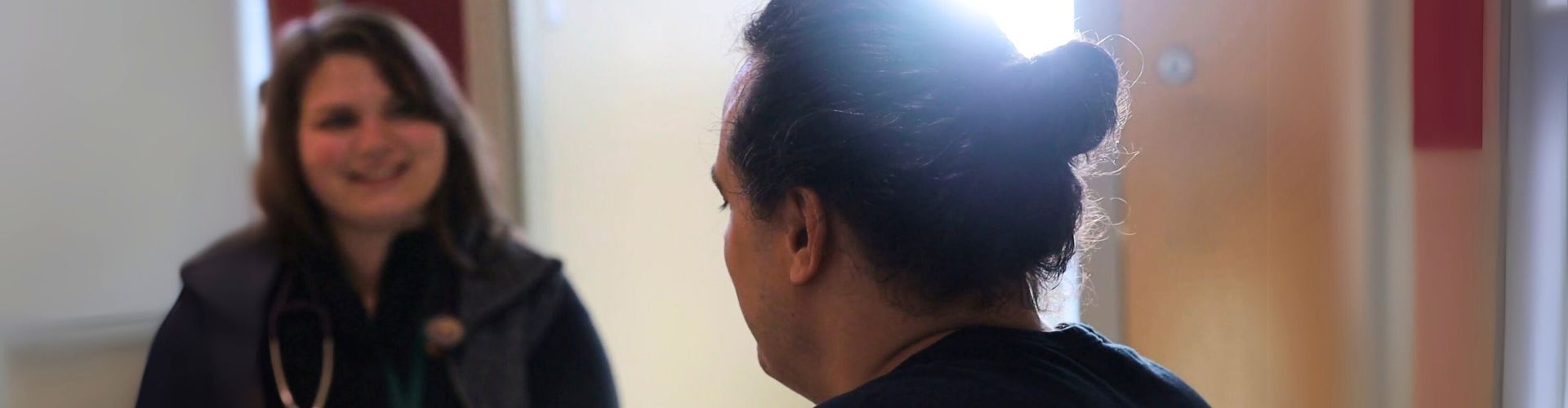
Will be on a safe and light-filled unit, monitored by nurses and seen daily
by a medical provider. A licensed addiction counselor will provide support as well.
Will be provided with resources for ongoing treatment, and in most cases,
connected with those resources upon discharge. Withdrawal is almost never
the only step in someone’s recovery journey.
We cannot hold patients against their will for withdrawal - except in extraordinary
circumstances (an imminent danger to self, others or incapacity.) As such,
people can typically direct their own discharge even if it’s against
medical advice (AMA). We encourage you or your loved one to think through
the course, cravings and discomfort of not having access to substances.
People tend to successfully detox when they’ve resolved to stick
through what can be some challenging days. We will always work to make
the process safe and comfortable; but if it were easy, most people would
have detoxed already. Setting good expectations from the start always helps.
Finally, we are required to provide a safe environment for all patients.
As a result, you or your loved one will be asked to remove items from
your pockets and temporarily change into a gown to prevent contraband
(drugs, weapons) on the unit. A patient's clothes will be returned promptly
as soon as they are checked. This is for you or your loved one’s
safety and the safety of everyone on the unit. We always treat every person
with dignity and respect, but especially during this process.
Prepare for a stay by bringing clothing that feels comfortable and does
not require belts (wear elastic-waisted pants) or shoelaces (wear slip
on shoes).

_FINAL.jpg)


.jpg)