The hormonal chaos that occurs prior and during menopause can set off many
physical, mental and emotional challenges. Boulder Community Health’s
OB/GYN specialists and certified nurse-midwives are here to help you maintain
optimal health during this time of life and transition through menopause
confidently and comfortably.
One size does not fit all when it comes to treatment for perimenopause
and menopause. Our specially trained menopause specialists are available
to guide you through options for your unique symptoms, which might include
lifestyle changes, non-pharmaceutical strategies, individualized hormone
therapy and medications.
Schedule an appointment with one of our menopause care providers:
OB-GYN physicians with Boulder Women's Care. We see patients in
Boulder and
Erie.
Certified Nurse-Midwives with Foothills Community Midwives. We see patients in
Boulder and
Erie.
Boulder Women's Care for pelvic floor issues such as incontinence or prolapse.
For an appointment call,
303-441-0587.
Women who have gone through menopause have very low estrogen levels. Low
levels of estrogen and progesterone raise your risk for certain health
problems after menopause.
BCH offers a range of screening services tailored to diagnose and treat
diseases more common during menopause.
Heart disease: Estrogen helps keep blood vessels relaxed and open and helps the body
maintain a healthy balance of good and bad cholesterol. Without estrogen,
cholesterol may start building up on artery walls leading to the heart.
By age 70, women have about the same risk for heart disease as men of
the same age.
Also, your risk for stroke doubles every decade after age 55. The lower
levels of estrogen in your body may play a role in cholesterol build-up
on artery walls leading to the brain.
Osteoporosis: There is a direct relationship between the lack of estrogen after menopause
and the development of osteoporosis. Lowered estrogen levels in women
at menopause tend to weaken bone. Women lose up to 20 percent of bone
density in the 5 to 7 years after menopause. By age 80, women will have
lost 33 percent of hip bone density.
If you wish to use hormone therapy to prevent osteoporosis, talk with your
doctor to weigh the benefits of this therapy against your personal risk
for heart attack, stroke, blood clots and cancer.
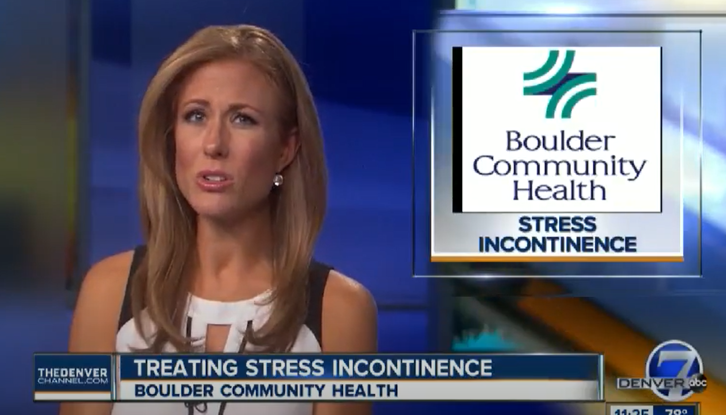
Pelvic Prolapse and Stress Incontinence: Pelvic organ prolapse is a fact of life for 1 in 3 women who have gone
through childbirth, menopause or a hysterectomy. It occurs when pelvic
muscles become too weak to hold up a woman’s bladder, uterus or
rectum, causing the organ to drop. Weakened muscles in the pelvis cause
the bladder to drop down into a position that prevents the urethra from
closing completely. The result is urine leakage.
Unfortunately, countless women suffer silently with its symptoms. It’s
important to get help. Set up a urogynecology consultation by calling
303-441-0587 or visit
MyBCH.
Breast Cancer: Although menopause is not associated with an increased risk of developing
cancer, the rates of many cancers, including breast cancer, do increase
with age. BCH is home to advanced imaging technologies related to breast health.
Schedule an Appointment
We see patients in Boulder and in Erie. Please call Boulder Women’s Care at
303-415-0587, Foothills Community Midwives at
303-415-4045 or The Birth Center to Boulder at
303-443-3993.




obgyn.jpg)





.jpg)