Is strength training the key to your health span?
- Category: General, Cardiology
- Posted On:
- Written By: Boulder Community Health
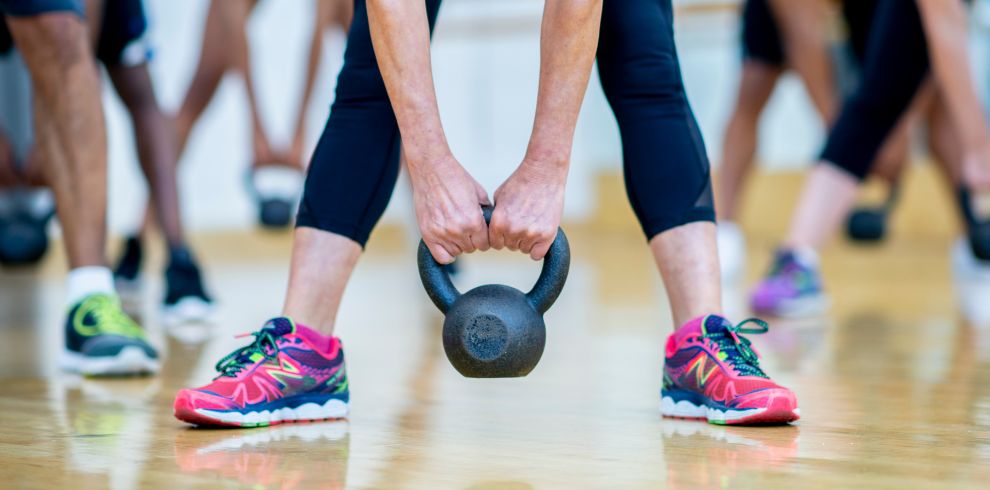
This Heart Month, we’re sharing actions everyone can take to live longer, healthier lives: because almost 80% of heart disease and strokes can be prevented.
In recent years, much attention has been paid to life expectancy in the U.S. – which remains shorter than many other developed nations who spend less on health care according to the American Heart Association (AHA). According to the World Health Organization, the average health span for adults in the U.S. dropped from 65.3 years in 2000 to 63.9 years in 2021, the most recent year for which such data is available.
For health experts, equally concerning as decreased life expectancy is how chronic illnesses are increasing for young adults and adults 60 years of age and over.
The silver lining? Those same experts say enhancing “health span” will extend “lifespan.” In other words, how long a person lives free of chronic disease will increase the years that person is expected to live (life expectancy).
Staying physically active is one behavior that can contribute to both longer lifespans and health spans. Physical activity is also key for improving and maintaining good cardiovascular health.
“Exercise is the best medicine for your health span,” says Boulder Heart cardiologist Molly Ware, MD.
The AHA says the ideal exercise plan has four components (although they don’t need to be done every day):
- Endurance
- Strength
- Balance
- Flexibility
While endurance (walking, jogging, swimming or biking), balance (yoga or tai chi) and flexibility (yoga and stretching) workouts and classes are typically the talk of any friend group text thread, it’s strength that is often left out of the conversation.
You’ve heard the concerns:
- “Strength training makes women bulky.”
- “Cardio alone is enough for weight loss.”
- “Muscle turns to fat.”
- “I don’t want to look like a bodybuilder.”
- “Strength training is dangerous.”
Those myths about strength training could not be further from the truth. Strength training builds lean mass, boosts metabolism for fat loss, improves bone health and mental health, and is safe and effective for all ages when done with proper form, according to the AHA.
The recommendation from AHA
The AHA recommends moderate to high-intensity muscle-strengthening activity at least two days per week.
Muscle-strengthening activities can include squats, pushups, wall squats, deadlifts, planks or other body-weight exercises, as well as lifting weights.
Adults who are physically unable to meet the recommendations because of chronic conditions or disabilities should be as physically active as possible, the guidelines say.
Why strength training?
A well-rounded strength training program provides multiple benefits:
- Raises metabolic rate, so you burn more calories when your body is at rest and maintain a healthy weight
- Enhances quality of life
- Increases strength of bones, muscles, and connective tissues (tendons and ligaments)
- Protects joints
- Lowers risk of injury
- Better quality of life
- May help your ability to perform everyday activities as you age
- This highlights the importance of health span (better living free of chronic disease) to extend lifespan (life expectancy).
- This highlights the importance of health span (better living free of chronic disease) to extend lifespan (life expectancy).
According to Dr. Ware, “Cardio is important, but strength training is mandatory.”
“I recommend that people start with simple (weight-bearing) at home exercises like pushups, sit ups and squats,” says Dr. Ware. “There are also plenty of online videos for at home exercises (lunges and dips for instance).”
The AHA offers similar guidance. Find exercises you enjoy using free weights, machines, or your body’s own resistance.
If you wear a weighted vest while you walk, Dr. Ware does not recommend wearing the vest while strength training.
New to strength or resistance training?
You may wish to consult with your provider or a certified fitness professional to learn safe techniques before beginning a strength-training program. One set of eight to 12 repetitions, working the muscles to the point of fatigue, is usually sufficient for each muscle group.
Don’t forget rest days and to warm up and cool down before and after each lifting session.
If you’re new to lifting weights, Dr. Ware recommends attending a series of weightlifting classes at a local recreation center.
“CrossFit Roots (just east of Foothills Hospital) has an excellent all-around strength program for people over 60 years of age,” says Dr. Ware.
While strength training may seem intimidating, Dr. Ware advises that strength is for everyone of all ages. “Just start,” she says.
Learn more behind the science of strength training and aging well.
Dr. Ware closely follows the philosophy of Gabrielle Lyon, DO – a board-certified functional medicine physician with fellowship-training in geriatrics and nutritional sciences – and her adage, “Muscle is the organ of longevity.”
Dr. Lyon is the bestselling author of “Forever Strong” – which explains how to slow down aging, boost performance and prevent disease. It’s the key to longevity, she says, as most people are under-muscled, and health suffers because of it.