What new parents should know about a Vitamin K shot, and why each newborn needs one
- Category: General, Maternity Care
- Posted On:
- Written By: Boulder Community Health
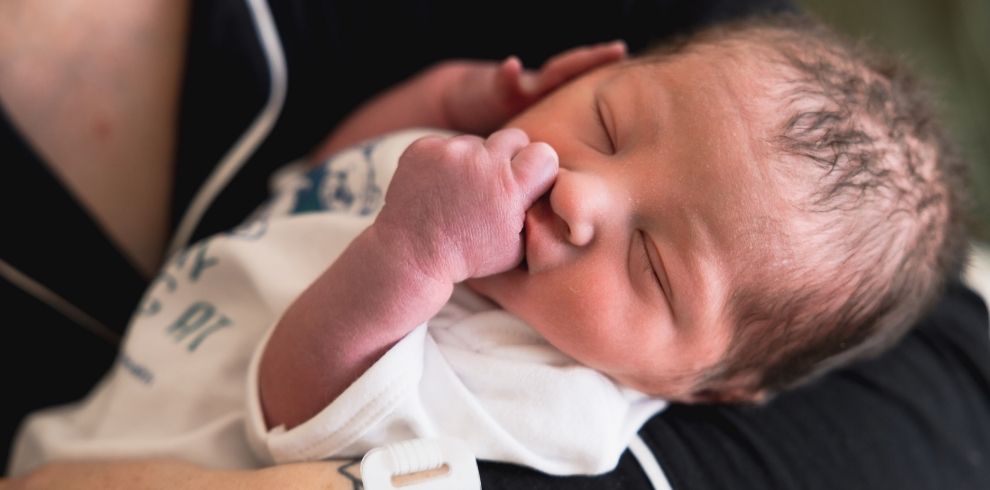
In the first hours after a baby is born, a lot happens quickly. There’s the joy of finally meeting your little one, the first feeding, skin-to-skin time, checkups, and a handful of routine newborn treatments that come up before you’ve even had a chance to catch your breath. One of those is the vitamin K shot. For many families, it’s not something they’ve thought about before delivery until they are suddenly asked about it in the delivery room.
In today’s digital world, the amount of medical information available can be overwhelming, making it hard for families to know what to ask and when to be truly concerned. Our maternity team has seen that the vitamin K shot is one of those newborn care topics that can get tangled up in the confusion, especially when parents are trying to sort through social media claims, consider advice from well-meaning friends and family or actually see the amount of care your baby goes through right after coming into the world.
If you or your partner are pregnant it can help to discuss the vitamin K shot before delivery, when there’s time to ask questions and get clear, trustworthy information. Our goal at BCH is to provide the most respectful and appropriate care for our patients and their birth-preferences to ensure a peaceful delivery and promising start to a new life.
What is the vitamin K shot?
In simplest terms, the vitamin K shot is a routine injection given shortly after birth to help prevent dangerous bleeding in newborns. The vitamin K shot is not a vaccination, but a supplemental nutrient the body needs to form blood clots and stop bleeding. Older children and adults get vitamin K from food and from healthy bacteria in the intestines. Babies, though, are born with very low levels of vitamin K. That means they start life more vulnerable to a condition called vitamin K deficiency bleeding, also known as VKDB.
VKDB is considered rare in the United States, but when it does occur it can be catastrophic. VKDB can happen from two weeks up to six months of age, often without warning, and severe symptoms like internal bleeding do occur, including in the brain or intestines. The CDC estimates VKDB occurs in about 1 in 14,000 to 1 in 25,000 infants, and babies who do not receive the vitamin K shot are 81 times more likely to develop late VKDB than those who do. Reported mortality for VKDB is about 14% to 24%, with a substantial risk of intracranial hemorrhage (bleeding in the brain) and long-term neurological injury. For that reason, the American Academy of Pediatrics (AAP) has recommended the vitamin K shot be given routinely to newborns since 1961, and the shot remains the standard of care.
Is vitamin K like other vitamins and minerals?
Vitamin K is a fat-soluble vitamin, like vitamins A and D. Newborns start life with low vitamin K stores, and very little vitamin K transfers from the mother to the baby while still in the womb. While breast milk does contain a small amount of vitamin K, it is not enough to protect newborns from VKDB. This is why the vitamin K shot is used—to supplement newborns with this vital nutrient quickly and safely.
Oral vitamin K has been used in some settings, but HealthyChildren, an AAP parent resource, notes that babies do not absorb the oral form reliably enough for it to work as well as the injection, and oral regimens require multiple doses over time. The Centers for Disease Control (CDC) and the AAP emphasize that the vitamin K shot is still the easiest and most reliable option.
Is the vitamin K shot safe?
Parents sometimes ask whether the shot is safe—it is perfectly normal for parents to want reassurance that routine medical care provided to their newborn is necessary and safe.
The vitamin K injection has been used routinely for decades, and CDC and AAP both continue to recommend it as the safest, most effective way to prevent VKDB.
The AAP states that vitamin K shot refusal rates have been rising for several years, and more recent reporting has highlighted a troubling increase in parents declining the shot, sometimes with devastating consequences. ProPublica reported that a large national study found the percentage of U.S. babies not receiving vitamin K at birth topped 5% in 2024, a sharp rise from 2017, and individual health systems have reported even steeper increases in some communities. For clinicians, this trend means early, respectful parent education is more important than ever.
“We want parents to have space to ask questions without feeling judged, and we want these conversations to happen before labor if possible—not in the middle of the busy, emotional first few hours after birth,” states a BCH Family Birth Center spokesperson.
“The goal is not to pressure families. It’s to make sure families understand what the vitamin K shot is, what it helps prevent, and why so many clinicians see it as a simple but important safeguard for newborns.”
Talking about the vitamin K shot with your care team
As questions about the vitamin K shot have become more common, early and respectful parent education matters more than ever. At BCH, our Family Birth Center team wants families to have space to ask questions, understand what vitamin K is, what it helps prevent, and why it remains the safest and most reliable way to protect newborns. The goal to provide clear, compassionate guidance so parents can make informed decisions before delivery whenever possible.
Common questions about the vitamin K shot
We spoke with Lisa Allen, MSN, MBA/MHA, RN, the Family Birth Center’s Director of Nursing, who gave us some insight on frequently asked questions about the vitamin K shot:
Is the vitamin K shot a vaccine?
No. The vitamin K shot is not a vaccine. It is a supplemental nutrient given shortly after birth to help prevent vitamin K deficiency bleeding, a rare but serious condition in newborns.
Why does my baby need vitamin K after birth?
Newborns are born with very low vitamin K levels, which makes them more vulnerable to dangerous bleeding in the first weeks and months of life. The shot provides early protection during that vulnerable window.
Can vitamin K be given orally instead?
Oral vitamin K is not as reliable as the shot because it is absorbed less effectively and requires multiple doses over time. The injection remains the safest and most dependable option.
If I’m breastfeeding or taking extra vitamin K myself, will my baby get enough?
No. Only small amounts of vitamin K pass into breast milk, and it is not enough to protect a newborn from vitamin K deficiency bleeding.
Is the vitamin K shot used at BCH preservative-free?
Yes. The vitamin K used at the BCH Family Birth Center is preservative-free.