How to prepare your knees for skiing and snowboarding – expert tips from a joint replacement specialist
- Category: General, Orthopedics
- Posted On:
- Written By: Boulder Community Health
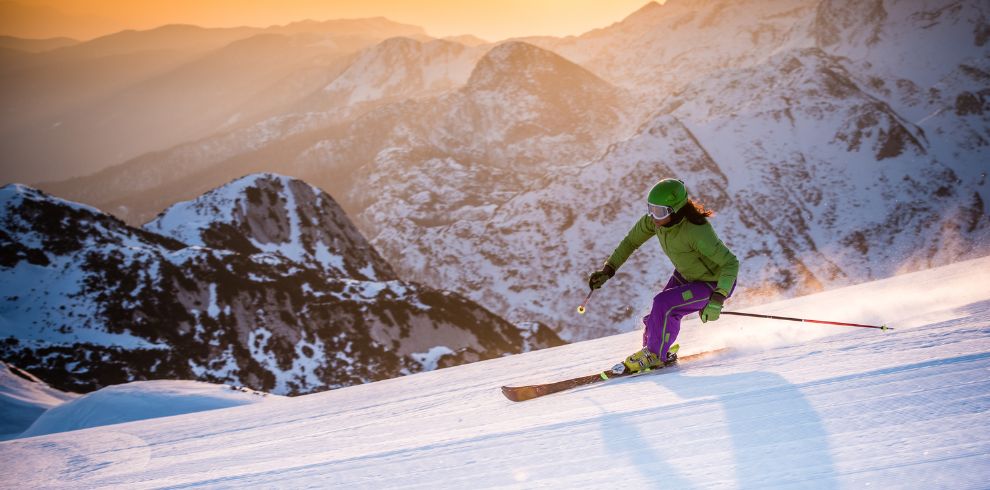
If you’re planning to hit the slopes this winter, it’s essential to prepare your knees for the demands of skiing and snowboarding. We often see patients with preventable knee injuries that result from lack of strength, stability or proper preparation.
Dr. Michael Repine, sports medicine and joint replacement specialist at Boulder Medical Center, answers some of the most common questions about knee injury prevention, training tips and recovery strategies for skiers and snowboarders.
Top muscle groups for knee protection in skiing and snowboarding
When it comes to knee health, strengthening the right muscle groups is key. These muscles provide the stability, balance and power needed for safe skiing and snowboarding:
Glutes: Crucial for hip and knee alignment.
Quadriceps: Control knee extension and absorb shock.
Hamstrings: Balance the quads and protect the knee joint.
Core muscles: Improve balance and reduce stress on the knees.
Calves and ankle stabilizers: Help manage terrain changes and improve control.
Focusing on these areas helps reduce your risk of knee strain or ligament injuries on the slopes.
Best exercises to strengthen knees before ski season
To get your knees slope-ready, we recommend a combination of strength, stability and control exercises. These can be done at home or at the gym, 2–4 times per week:
Strength Training:
Squats and goblet squats
Split squats or Bulgarian split squats
Glute bridges or hip thrusts
Step-ups
Deadlifts
Stability and Balance:
Lateral band walks
Single-leg balance drills
BOSU or balance board exercises
Agility ladder drills
These exercises help build strength and prevent injury during ski and snowboard season in Colorado’s mountains.
Why are knee injuries common in skiing and snowboarding?
Knees are particularly vulnerable in skiing and snowboarding due to:
Twisting motions during falls or turns
Fixed foot positioning in boots and bindings
High-impact landings
Muscle fatigue or imbalance
Improper gear setup or poor technique
Skiing puts stress on the ACL (anterior cruciate ligament) and MCL (medial collateral ligament), which are common sites of injury. That’s why preseason training and proper gear are so important.
Flexibility and mobility exercises to reduce knee strain
To protect your knees, it’s important to improve joint mobility and muscle flexibility, especially in the hips, hamstrings and calves:
Hip mobility: Deep lunges, pigeon pose
Hamstring stretches: Standing or lying down
Calf stretches and ankle mobility drills
Spine mobility: Cat-cow, open book stretches
Aim to stretch daily and include dynamic movements before activity and static stretching afterward.
The importance of balance training for knee injury prevention
Balance training is essential for skiers and snowboarders. It:
Improves body awareness and joint control
Helps you stay upright on uneven terrain
Strengthens stabilizing muscles in the knees and ankles
Incorporate 10 minutes of balance training into your regular workouts using:
Balance boards or BOSU balls
Single-leg balance drills
Agility and coordination exercises
This type of training is especially beneficial for ski enthusiasts in variable terrain.
When should you start training for ski season?
For optimal results, begin preparing your knees 6 to 8 weeks before ski season. This gives your body time to:
Build strength and endurance
Improve mobility and joint control
Avoid overuse injuries
Even if you’re starting later, don’t skip preparation—ease into activity with bodyweight exercises and mobility work first.
How ski equipment affects knee health
Using the right ski or snowboard equipment can help prevent knee injuries. Be sure to:
Get ski bindings professionally adjusted to ensure proper release during falls
Use properly fitted boots to improve control and reduce strain
Set snowboard bindings at safe angles to protect knees and hips
Consider a knee brace if you’ve had prior injuries or instability
Visit a local ski shop or a certified technician before your first day on the mountain.
Warning signs your knees aren’t ready for the slopes
Not sure if your knees are ready? Watch for these red flags:
Persistent pain, stiffness or swelling
Knee instability or “giving out”
Weakness during squats or lunges
Difficulty with stairs or uneven ground
If you notice any of these, it’s smart to schedule a checkup with a sports medicine provider in Boulder, like Dr. Repine at Boulder Medical Center.
When to rest vs. seek care for knee pain after skiing
Some soreness is normal after a day on the slopes. But be cautious if:
Pain lasts more than 3 days
There’s swelling that doesn’t go down
You heard or felt a "pop"
You can’t fully bend, straighten, or put weight on the knee
These may be signs of a more serious injury. When in doubt, visit your doctor for a proper evaluation.
Post-ski recovery tips to support knee health
After a full day of skiing or snowboarding near Boulder, give your knees some recovery love:
Stretch your quads, hamstrings, calves and hips
Foam roll tight areas like the IT band and glutes
Ice sore or swollen knees for 15–20 minutes
Stay hydrated and eat a recovery meal
Go for a short walk or do light movement the next day
These simple habits can help you bounce back faster and prevent injury.
Dr. Michael Repine is a board-certified orthopedic surgeon who sees patients in his Boulder Medical Center clinic in Boulder and Louisville, Colorado. He specializes in treating adults with minimally invasive arthroscopic surgery; Mako hip, knee, and shoulder replacements; and rotator cuff surgery.