Why do I feel SAD in the summer? Recognizing summer-pattern SAD symptoms
- Category: General, Mental Health
- Posted On:
- Written By: Boulder Community Health
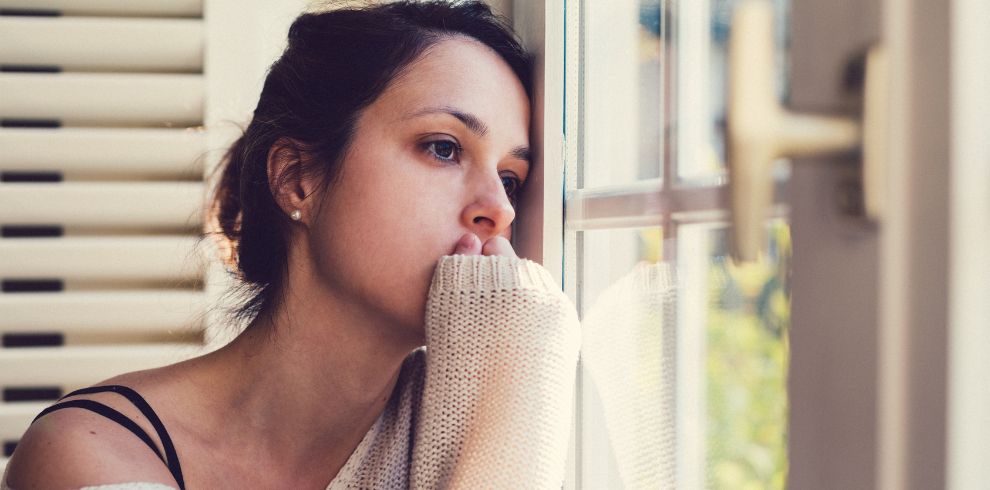
About five percent of the population has seasonal affective disorder, or SAD, a type of depression that is characterized by its recurrent seasonal pattern, with symptoms lasting about four to five months per year.
The predictable onset of SAD – in the fall or early winter – typically resolves by spring, even if untreated. A persistent depressed mood or sadness during the cold weather months – also known as winter depression – is familiar to those who struggle or see the symptoms manifest in friends and family members.
So why do I feel SAD in the summer? Recognizing summer-pattern SAD symptoms
Ten percent of SAD sufferers experience depressive symptoms during the spring and summer months, known as summer-pattern SAD or summer depression.
The signs and symptoms of SAD include those associated with depression as well as disorder-specific symptoms that differ for winter-pattern versus summer-pattern SAD.
Boulder Community Health (BCH) psychiatrist Daniel Fisher, MD – who specializes in treatment-resistant mood disorders – says there is a distinct triad of SAD symptoms, leading to a lower quality of life.
“Many people will at least experience some degree of tiredness or daytime fatigue, overeating (with carbohydrate cravings), or sleeping too much,” says Dr. Fisher. “There is a small subset who develops a full clinical depressive episode, which impairs a person’s functioning and can even involve hopelessness and suicidality. Seasonal depression is not a reaction to situational stress, like the holidays.”
For summer-pattern SAD, additional symptoms can include:
- Trouble sleeping (insomnia) and decrease in sleep quality
- Poor appetite, leading to weight loss
- Restlessness, irritability and/or agitation
- Increased anxiety
- Violent or aggressive behavior
(Source: National Institute of Mental Health)
What causes summer SAD?
SAD typically begins in young adulthood. It can appear more often in women than men and it may be more common in patients who have relatives with depression or schizophrenia.
The causes of SAD are still being researched. Some studies suggest that both forms of SAD relate to altered levels of melatonin – a hormone important for maintaining the normal sleep−wake cycle. People with winter-pattern SAD are said to produce too much melatonin, which can increase sleepiness and lead to oversleeping.
Those with summer-pattern SAD – also known as Reverse SAD – may have reduced melatonin levels because of long, hot days and shorter nights that lead to decreased sleep quality and depression symptoms.
Much of what has been revealed about Reverse SAD relates to potential causes of winter-pattern SAD, because it is more common and easier to study. As a result, less is known about summer-pattern SAD, and more research is needed.
A 2022 study, however, revealed a link between high temperatures and more mental health-related visits to the emergency department. This study and future similar research might be very critical, as the number of extreme heat days and above average hot weather are increasing each year with climate change.
To identify the best coping strategies for summer-onset SAD:
- Zero in on triggers. These could be heat, humidity or exposure to intense, direct sunlight. Summertime can also trigger mood changes for those at risk of bipolar disorder and elation/manic behavior.
- Sleep hygiene. Keep your space cool, comfortable and dark. Relaxation aids, white noise machines, fans, skipping alcohol and adhering to a steady sleep schedule may be beneficial.
- Follow routine. Consistency in mealtimes, self-care, exercise and creative activities are some to consider.
- Stay cool throughair conditioning,hydration, sunscreen or hats.
- Enjoy a digital detox. Social media overuse is linked to loneliness, envy and anxiety.
Here are some other ways to address SAD all year long:
- Vitamin D supplementation
- Psychotherapy
- Medication
- Lifestyle changes
Seeking help & feelings of hopelessness
Those who have SAD should seek professional help through BCH’s Outpatient Behavioral Health program at 303-415-4299. When experiencing feelings of hopelessness and suicidal ideation, seek immediate medical attention. Community members who don’t feel safe or are in crisis can visit Foothills Hospital's Emergency Department (ED) for a voluntary psychiatric evaluation – available 24/7. Licensed professionals will complete a comprehensive psychiatric evaluation and ensure all people are referred to the appropriate level of care.
If a person is having an acute crisis due to a mental illness – and in imminent danger to self or others or appears to be gravely disabled – the licensed professional will consult the psychiatrist and ED provider to determine whether a mental health hold is needed. A mental health hold is an involuntary hold that ensures a person in crisis is kept safe for up to 72 hours (about 3 days) of treatment and evaluation.
988 Suicide & Crisis Lifeline
Everyone can help prevent suicide. The 988 Suicide & Crisis Lifeline is a network of local crisis centers that provides free and confidential emotional support to people in suicidal crisis or emotional distress 24 hours a day, 7 days a week in the United States.
If you or someone you know is feeling suicidal or in need of emotional support, text or call 9-8-8. Callers can follow prompts with separate lines for veterans, Spanish language speakers and LGBTQI+ persons.