Understanding and managing seasonal allergies in Colorado
- Category: General, Primary Care
- Posted On:
- Written By: Boulder Community Health
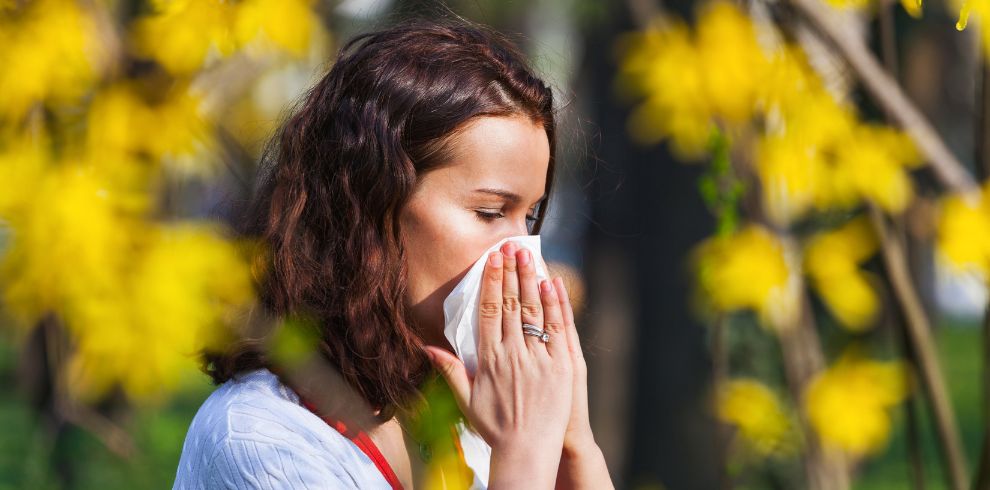
Each year, as the cold temperatures give way to warmer weather, more people begin to experience seasonal allergies. Seasonal allergies can significantly affect one's comfort, sleep and quality of life. The high altitude, dry climate and diverse plant life make Colorado uniquely challenging for allergy sufferers, especially during the spring, summer and early fall months.
If you are experiencing persistent sneezing, itchy eyes, congestion or fatigue as the seasons change, you’re not alone. This guide will help you better understand what is triggering your symptoms and how to find long-term relief.
What are seasonal allergies?
Seasonal allergies, otherwise known as hay fever or allergic rhinitis, are immune system responses triggered by pollen released from grasses, trees and weeds. While these allergens are harmless to most people, some individuals will experience a reaction from their immune systems that can lead to a variety of uncomfortable symptoms.
When is allergy season in Colorado?
In Colorado, allergy seasons vary depending on the source of the pollen:
Spring (March – May): Tree pollens – cottonwood, elm, aspen, oak, maple, juniper and cedar.
Summer (June – August): Grass pollens – bluegrass, ryegrass and timothy grass.
Fall (August – October): Weed pollen – ragweed, tumbleweed and sagebrush.
Colorado spans multiple allergy regions, including the Intermountain and High Desert areas, so specific allergens and timing may vary slightly by location. See these resources for pollen counts based on regions:
Common allergy symptoms
Symptoms vary in severity, but many allergy sufferers experience the following:
Runny or congested nose
Sneezing fits
Itchy, watery eyes
Sinus pressure or headaches
Coughing and sore throat
Post-nasal drip
Fatigue or “brain fog”
In some cases, skin reactions like hives
These symptoms can become chronic and disruptive without proper management.
Managing and treating seasonal allergies
Seasonal allergies are frustrating, but the good news is there are a variety of strategies that can offer significant relief.
Limit your exposure
Minimizing contact with allergens is one of the most effective first steps.
Check pollen forecasts – avoid outdoor activities during high pollen times (usually morning and early afternoon)
Shower after being outside – pollen sticks to hair, skin and clothing. Showering helps was it away.
Keep windows closed – use air conditioning instead of opening windows during peak pollen seasons.
Wear a mask outdoors – particularly when gardening, mowing or hiking.
Install HEPA filters – a HEPA filter can remove at least 99.97% of airborne particles and help improve air quality by trapping dust, pollen, mold and other allergens. Installing HEPA filters in your home and vehicle helps to reduce indoor allergen levels.
Clean regularly – frequent vacuuming, dusting and laundry can reduce pollen buildup indoors.
Medication options
For many, over-the-counter treatments provide short-term relief from allergy symptoms.
Antihistamines – reduce sneezing and itching.
Nasal corticosteroids (nose spray) - decrease inflammation and congestion.
Eye drops – soothe itchy, watery eyes.
If these treatments don’t bring lasting relief, the next step is to see a provider to discuss prescription options or allergy immunotherapy (allergy shots or drops) that gradually desensitize your immune system to allergens over time. Experiencing allergy symptoms that last for weeks, interfere with your daily life or worsen year after year is a sign to set up an appointment with your primary care provider to discuss your options. A personalized evaluation and treatment plan can greatly improve your quality of life and help you enjoy Colorado’s beautiful seasons without the frustration of allergies.