Dr. Nadia Haddad leads behavioral health transformation at BCH
- Category: General, Foundation, Mental Health
- Posted On:
- Written By: Boulder Community Health
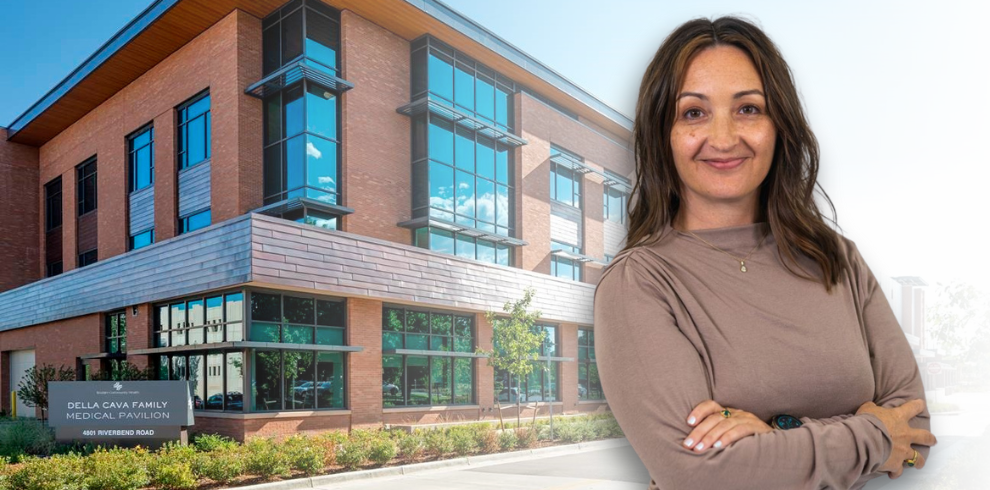
The BCH Foundation is committed to supporting Boulder Community Health’s strategic vision to transform crucial services so we can continuously meet our community’s evolving needs—one such priority is mental health and psychiatry. Thanks to generous funding from our donors, the Behavioral Health Department has welcomed a new Medical Director, Dr. Nadia Haddad, to drive the transformation forward.
A Boulder native and experienced addiction psychiatrist, Dr. Haddad brings deep clinical and leadership expertise to this important role. With rising rates of mental illness and substance misuse, her arrival comes at a time when our community is experiencing an urgent need for expanded behavioral health services.
Dr. Haddad plays a key role in strengthening the continuum of care—ensuring timely, coordinated support between inpatient, outpatient and specialty services across the BCH health system. Her leadership marks a major step forward in providing comprehensive, whole-person behavioral health care to meet our community’s needs.
Q&A with Dr. Nadia Haddad: Addressing behavioral health needs in our community
What are your current priorities as Medical Director of the behavioral health service line at BCH?
Improving timely community access to BCH behavioral health services. When someone is experiencing significant psychiatric or substance use disorder (SUD) issues, they need care then – not months later. Whether it’s outpatient, intensive outpatient, interventional psychiatry (ECT, TMS or IV ketamine infusions), acute inpatient psychiatric hospitalization or the need for urgent psychiatric management while medically hospitalized at Foothills Hospital, our highest priority is providing expert care when a person needs it.
As part of this, we are also working on building out our substance use disorder (addiction) services and growing our Center for Interventional Psychiatry (CIP) program.
Since beginning your role, what is working well and what could be improved regarding patient care coordination?
In terms of care coordination across the different levels of care within BCH, we have worked at this from a couple of different angles.
- Outpatient: Given our long wait times for outpatient behavioral health care, we have been beta testing a consultative outpatient model of care that involves short-term (up to six months) of care available more urgently, within a few weeks. This allows us to help our inpatient, CIP and hospital consult patients to get into outpatient stabilization more quickly. Once stabilized, patients transition back to primary care or our community outpatient psychiatric providers so we can continue to have spots available. This has also helped us identify people who might be good candidates for interventional psychiatry so that we can facilitate their transition into effective treatments.
- Inpatient Della Cava (Psychiatry) & Foothills Hospital: We have invested in psychiatrist oversight and restructuring of our consult service at Foothills Hospital. This helps people in the emergency department and those admitted to our hospital receive timely evaluation and treatment for urgent psychiatric and substance use disorder issues that drive or complicate hospitalization. Then we facilitate admission to our inpatient psychiatric and detox services at Della Cava Family Medical Pavilion. We are seeing increased utilization of our consult service, and are receiving positive feedback from hospitalists, nurses and case managers at Foothills Hospital because of these changes, which are still in process.
We have also cross-trained our psychiatric providers on care provided on the Inpatient Behavioral Health Unit and our acute care hospital consult service. In doing this, our providers have a working knowledge of the processes in place, and the challenges of providing psychiatric care in the emergency department, acute care hospital and inpatient psychiatric hospital settings. This helps our teams provide support in transitioning patients between these levels of care.
Based on your experience, what are the community’s greatest needs today, and what do you project these will be in the next five to 10 years?
Greatest need today: Urgent access to high-quality psychiatric and SUD services.
I think one of the greatest needs in five to 10 years will not be access to care, but access to psychiatric expertise. The state is working hard on solutions to address access that involve increasing independent practice for master’s level medical providers. This, alongside complex insurance payor policies for behavioral health is resulting in the unintended consequence of de-incentivizing physicians from entering the field of psychiatry and practicing in our state. Boulder Community Health is committed to a thoughtful care model for behavioral health that utilizes well-trained and supervised advanced practice providers (APPs) as part of a high-quality care team supported by psychiatrist/physician-level expertise. I see us providing an essential service in the community, supporting the many primary care and master’s level psychiatric providers with second opinions, procedures and acute-level stabilization.
What can community members do today to support BCH’s behavioral health initiatives?
Support our Foundation! Providing these essential services to our community would not be possible without the support of our generous donors, who fund much of the programming and technology available at the Della Cava Family Medical Pavilion. With your support, we will be able to meet the needs of our patients for years to come.