Not just brain surgery: Myths about neurosurgeons explained
- Category: General, Neurosurgery
- Posted On:
- Written By: Boulder Community Health
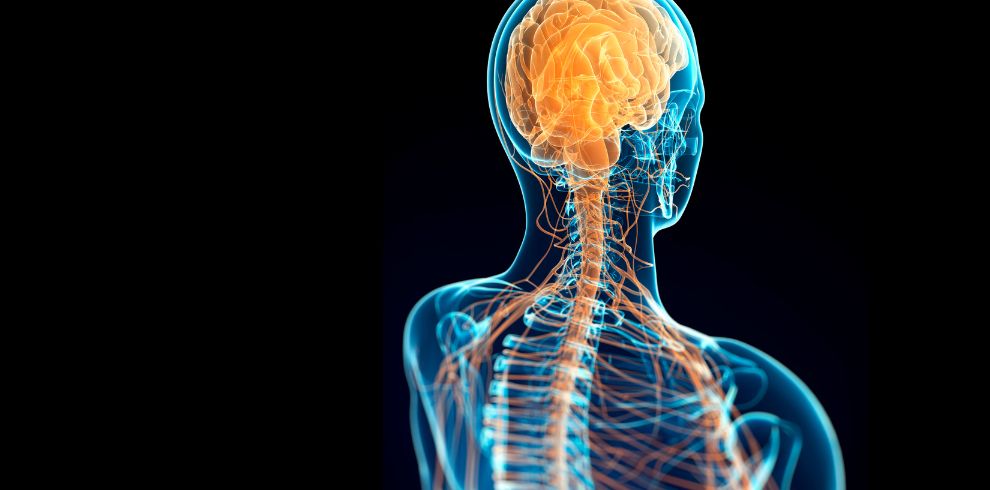
If you associate the words “brain tumor” with “neurosurgery,” you’re not alone. The two go together like infections and antibiotics – like X-Rays and casts.
Neurosurgery is a highly specialized field of medicine focused on the prevention, diagnosis and treatment – surgical and nonsurgical – of disorders affecting the central nervous system (CNS), its supporting structures and vascular supply. This includes diseases and disorders of the brain; spinal cord and spinal column; and peripheral nerves within all parts of the body. In fact, neurosurgeons treat conditions of the spine far more often than the brain.
Boulder Community Health (BCH) is proud of its growing neurosurgery program and experienced team of physicians and advance practice providers (APPs), who use their different skillsets, subspecialties and areas of interest to always put patients first. This includes specialists dedicated to all broad facets of neurosurgery: trauma, brain and spinal tumors, revisions, Sacroiliac (SI) joint dysfunction, minimally invasive spine surgery, motion preserving procedures and more.
“One thing I love about the Boulder community is it’s a very active population; patients can’t wait to get back on the trails, back on the bike and back on the slopes,” says board-certified neurosurgeon Brad Duhon, MD, FAANS. “To offer them life-changing surgery is not something they are excited about. Where we separate ourselves at BCH is the ability to have that conversation with a patient, where we can tell you the risks and benefits of intervention and the risks and benefits of not intervening – and help the patient to make an informed decision on the right approach.”
Since the field of neurosurgery tackles some of the most challenging conditions in medicine, it’s logical that some myths must be debunked from time to time. In honor of BCH’s dedication to innovative healthcare and its commitment to building a neurosurgical program of distinction, we sat down with Dr. Duhon of Boulder Neurosurgical Spine and Associates of BCH to talk about the differences between neurosurgical spine vs. orthopedic spine, what brings him joy in his job and the symptoms a patient should never ignore before making an appointment with a neurosurgeon.
Q: What type of dedication and commitment does it take to become a neurosurgeon?
Neurosurgery training is an intensive 14-to-16-year process (including undergraduate and medical school), along with a seven-year residency covering brain, spine and peripheral nerve surgery. It requires passing the United States Medical Licensing Examination (USMLE) and completing a clinical internship that often includes subspecialty fellowships.
Dr. Duhon: For many years of my life, I’ve been pretty married to what I do. I decided to be a surgeon in seventh grade. I’ve never wanted to do anything else. I love what I do. The beauty of the team that we built – there’s always someone available here to treat patients 24/7.
Q: When a patient consults with a neurosurgeon, is surgery always the recommended treatment option?
Dr. Duhon: Most patients aren’t necessarily surgical. Patients are looking for reassurance. I can provide that reassurance and walk my patients through the process – from conservative options to diagnostic options, all the way up to surgical options. The purpose of my job is to act as a consultant, so I can lay out the pros and cons of all the options. Sometimes we gather all the data and surgery is not on the table. Sometimes what we have to offer just carries too many risks or not enough benefits. Most causes of back pain and neck pain are self-limiting and can respond quite well to traditional conservative measures.
Q: What are the top red flags that necessitate immediate or urgent evaluation by a neurosurgeon?
Dr. Duhon: There are certain red flags, things that neurosurgeons don’t like to hear. These concerns should really land in the office of a neurosurgeon.
- Weakness (shooting pain down the leg or numbness and tingling in the arm, along with weakness in a muscle group)
- Difficulty walking
- Difficulty with bowel or bladder control
Q: What is one of the hardest things about being a neurosurgeon?
Dr. Duhon: Spine surgery does not have a great reputation. Too many surgeons have gotten into the habit of offering surgical intervention based on imaging. I don’t think surgery should be offered just because the MRI doesn’t look right. The hardest part of my job is taking into account the entire clinical picture. We have patient symptoms, physical exams, diagnostic studies such as imaging, etc. bringing all of that together. Once we have all the appropriate data, it makes it much more appropriate and honestly easier for us to make a real recommendation. Sometimes we gather all the data and spine surgery is not on the table, it’s not an option.
Q: Why do brain surgery or brain tumors come to mind most often when someone generally thinks of neurosurgery?
Dr: Duhon: In a neurosurgery training program, we focus on the head, spine and peripheral nerves. And we treat a lot of that throughout our training. As we get into the real world, most of us are still doing cranial work, treating heads. Fortunately, in the community, cranial pathologies are not that common, so most of our cranial experience in the real world comes from emergency departments and trauma calls. When we’re on trauma call, neurosurgeons get called in for head injuries: from brain bleeds to brain tumors. etc. We certainly do treat brain injuries, but back pain and neck pain is a heck of a lot more common, fortunately.
Q: For a patient deciding between spine surgery performed by a neurosurgeon vs. an orthopedic spine surgeon, what’s the difference?
Dr: Duhon: When it comes to neurosurgery vs. orthopedic spine surgery, both types of surgeons are very well trained; 95% of what we do overlaps. Traditionally speaking, orthopedic spine surgeons are more likely to treat scoliosis, especially juvenile scoliosis. That’s not traditionally treated by neurosurgery. On the other hand, neurosurgeons treat anything within the spinal cord, on the nerves themselves, and within the spinal sac. If the concern is mechanical, bony or soft tissue-related, we will both treat it. But once the procedure involves getting inside the nerve, getting inside the spinal cord, or inside the brain, that’s our (neurosurgeon) specialty.
Q: What is a misconception about some neurosurgeons?
Dr. Duhon: We neurosurgeons go into surgery because we love to operate. Everyone knows it’s my happy place. You surround yourself with an excellent team and when you do the job well, it’s an incredible feeling.
That being said – I really enjoy the clinic aspect of my job – meeting with a patient, going over imaging, and discussing the diagnosis and treatment options. Nothing brings me more joy with my job than having a patient say, “I’ve had this for years, I’ve seen a half a dozen specialists, and no one has ever explained it to me the way you have.” That’s a big part of what I do – a very important part of what I do. And I take pride in that part of my job.
Q: Are you keeping an eye on any neurosurgery trends?
Dr. Duhon: In the Boulder Valley, as active as the population is, fusion is often a four-letter word. One thing we’re really focusing on at BCH is motion-preserving spine surgery and the use of artificial discs. There are now Lumbar Facet Joint Replacement devices that have hit the market that allow surgeons to replace the worn facet joints in the back of the spine with motion-preserving implants. The data is still early, but the returns are very promising. Secondly, there’s certain interventional procedures in which we can burn some of the sensory nerves to the disc space itself. By burning those nerves, we can significantly alleviate disc mediated back pain for patients. Stem cells and platelet rich plasma (PRP) could be available in the next 10 years or so. Right now, the data is just not convincing enough, but it’s a conversation I’m willing to have with my patients.
More about BCH’s neurosurgeons
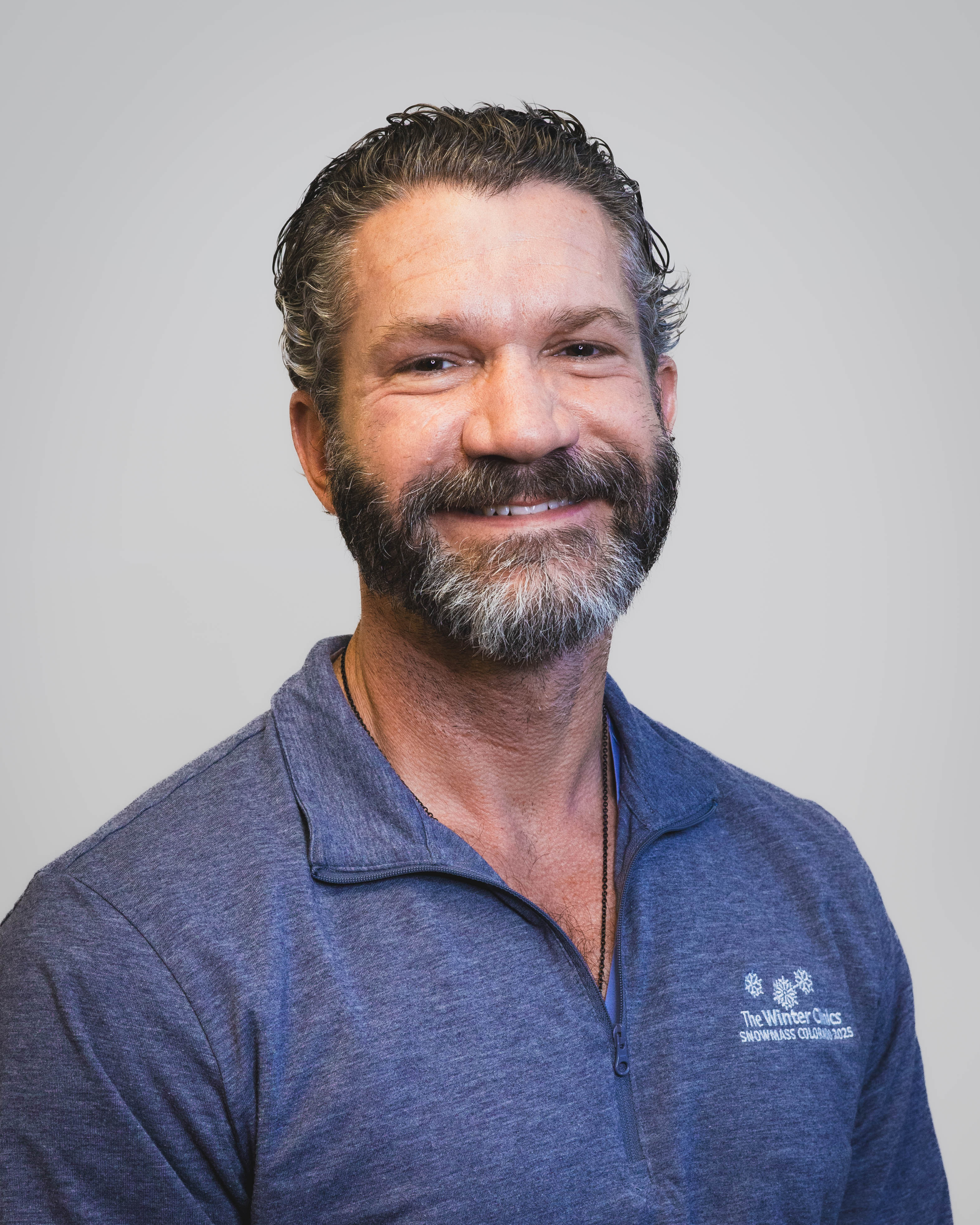
Brad Duhon, MD, FAANS - who joined BCH’s Boulder Neurological & Spine Associates (BNSA) in July 2024 – is a board-certified neurosurgeon, specializing in spine and cranial surgery/trauma, with extensive expertise in minimally invasive/robotic spine surgery, motion preservation spine surgery, artificial discs and sacroiliac (SI) joint dysfunction.
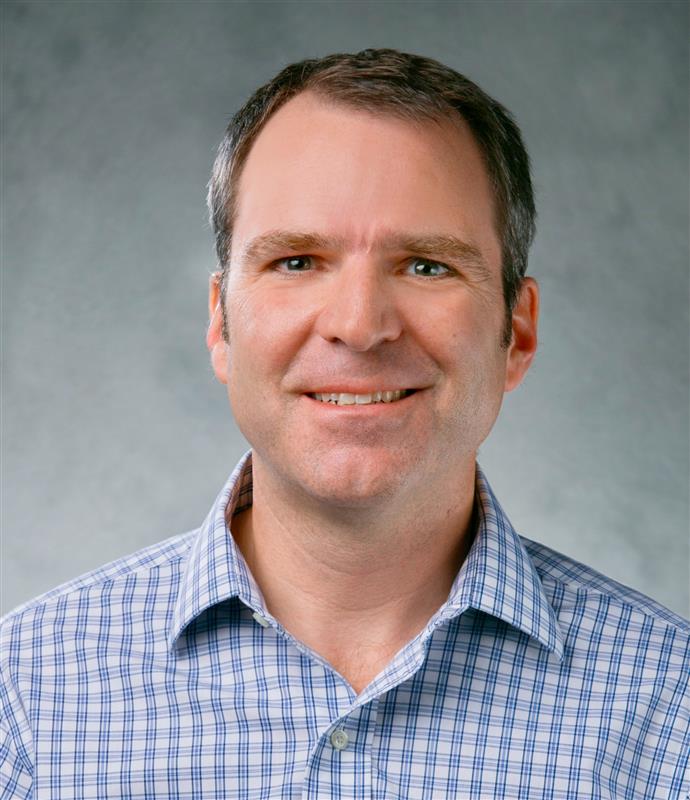 BCH’s newest board-certified neurosurgeon Erik Parker, MD, FAANS arrived at BNSA in February 2026. Dr. Parker – who has more than two decades of experience in adult cranial and spine surgery – specializes in the treatment of brain tumors, as well as minimally invasive and complex spinal surgeries.
Neurosurgical conditions are often complex, and the decisions surrounding treatment can feel overwhelming, says Dr. Parker.
“I believe patients deserve a clear understanding of their diagnosis, the natural course of their condition and the full range of available treatment options,” he says about his patient care philosophy. “By helping patients and their families understand their condition and the expected benefits and risks of each option, we can make thoughtful, informed decisions together. Surgery is recommended only when it offers a meaningful benefit, and every treatment plan is tailored to align with a patient’s goals, values and quality of life.”
Prior to seeing a neurosurgeon, the BNSA team recommends an initial visit with your primary care provider to attempt traditional conservative care measures such as anti-inflammatory medications (Ibuprofen, Naproxen or Aspirin), lifestyle modifications and/or physical therapy.
Drs. Duhon and Parker are affiliated with Foothills Hospital and Boulder Neurological & Spine Associates (BNSA) of BCH. For appointments or referrals, call BNSA at 303-415-4599.