Planting a family-safe garden this spring: BCH Healthy Gardening Guide
- Category: General
- Posted On:
- Written By: Boulder Community Health
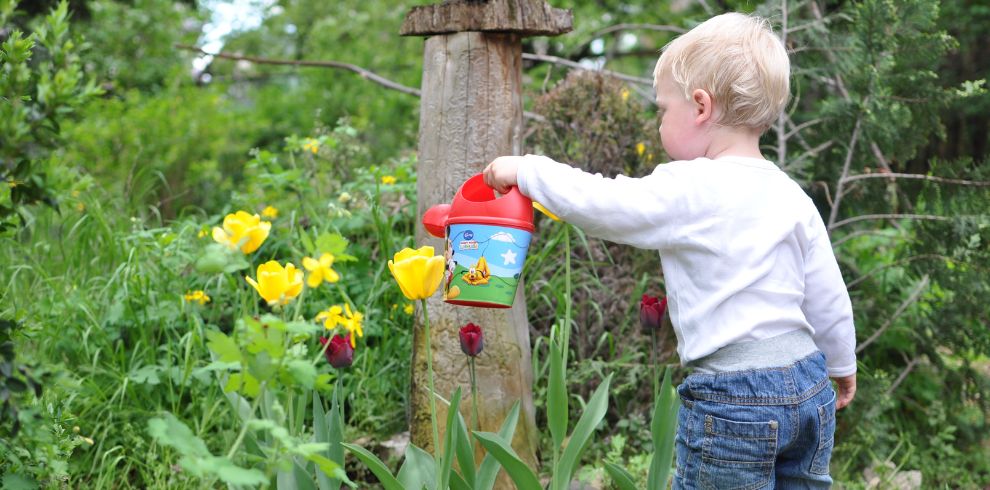
As warmer weather sweeps across the Front Range, many are cleaning up their gardens – welcoming emerging perennials and preparing to plant spring annuals, fruits and vegetables. But did you know many ornamental plants and some weeds may be toxic when touched or ingested?
Be aware of these plants that could be problematic in your garden, and of some safer alternatives that you and your family can enjoy all season long without worry.
How do you know which plants to avoid when planning your garden?
Some common plants in Colorado gardens may carry toxic berries, tempting to children or household pets, backyard chickens or livestock. Many of the leaves, stems, sap and roots of these common plants can also be toxic, so choose carefully what to keep depending on your lifestyle and beware of noxious weeds and toxic plants.
- Colorado State University hosts an extensive and helpful poisonous plant database complete with images, maps, and lists species affected by each plant complete with symptoms, biological effects and treatments.
- Colorado State University Extension also provides a detailed guide to edible flowers (Table 2) paired with a handy list of flowers to avoid.
- The Colorado Department of Agriculture Noxious Weed Species ID guide can help you identify problem plant species and get in touch with your County Weed Manager.
Common toxic ornamental plants in Colorado gardens, and safer alternatives
Lily of the valley – serving as an effective and often invasive groundcover, every part of this delicately scented flowering plant is toxic, especially the roots. This aggressive plant can cause gastrointestinal and cardiac distress.
Alternative – Sweet Woodruff is a non-invasive, but dense delicate ground cover plant with beautiful star-shaped green whorls covered in sweet-smelling white blooms on display in early spring. This plant is non-toxic to humans and animals in moderation.
Digitalis or Foxglove – this colorful upright perennial causes gastrointestinal, cardiac and respiratory distress.
Alternative – Hollyhocks offer a gorgeous display of upright, tall blooms in a wide range of spectacular colors, and are edible and non-toxic to humans and animals. Hollyhocks can grow over 5 feet tall, rivaling the foxglove as a statement in your garden without the risks.
Daffodils, Paperwhites in the Narcissus family – these early bloomers are a sure sign of spring’s arrival, but are highly toxic to humans and pets and can cause gastrointestinal distress and cardiac distress.
Alternative – Grape hyacinth, unlike most other hyacinth varieties, is a safe and even edible early-blooming bulb with charming purple blooms. While most perennial bulbs carry some toxic risk, grape hyacinth is a safe option for children and pets.
Hellebore – this beautiful perennial flower is one of the first to bloom each spring, but it can cause gastrointestinal and cardiac distress.
Alternative – Primroses bring a delicate burst of blooms similar in shape to the hellebore, but all parts of this plant are edible and safe for children and animals.
Handle these Colorado natives with care
Rocky Mountain columbines are beautiful native wildflowers to our state and region. With an array of colors and sizes, columbines display a collared bloom similar to daffodils and support many native pollinators. While there are no significant risks from ingesting the flowers, the seeds and roots can cause gastroenteritis if ingested in large amounts.
Rocky Mountain iris, also called wild iris or blue flag iris, bring a gorgeous display to native meadows across the Rocky Mountains in late spring and early summer, and are beneficial for many native pollinators, but can cause gastroenteritis if ingested.
Blanketflower is a native wildflower that blooms throughout summer and early fall, providing a prolific show of bright red and yellow flowers. It is not considered a toxic plant, but the fine hairs on its leaves and stems can cause mild irritation to the skin.
Rocky Mountain penstemon rises from Colorado wildflower meadows with spikes of electric blue to purple flowers. These plants are not specifically toxic to humans or pets but may accumulate selenium in the soil, which can be problematic for grazing livestock.
Safe flowering options for your garden throughout the season
Violets, pansies and violas are safe options that bloom in early spring in small clumps, commonly added to salads for a burst of color.
Calendula, or marigold, blooms through late summer and early fall with a dazzling display of gold and orange flowers which are safe if ingested.
Chamomile casts a frothy display of small daisy-like blossoms throughout the summer and is excellent for steeping as a soothing tea and can help with sleep.
Chives bloom in the herb garden during late spring and summer with little pom-pom flowers atop edible stalks with a mild onion flavor.
Coneflower, or echinacea, is a native species that blooms prolifically throughout summer and fall and is extraordinarily beneficial for native pollinators. These flowers are safe for children and pets and are used in a wide variety of herbal remedies.
Dandelion is most commonly considered an annoying weed, but its flowers and leaves are often used in herbal remedies. Dandelions are a safe option for children to pick and enjoy.
Daylilies in shades of orange and yellow rise from mounds of fountain-like grass throughout the summer. These flowers can be cooked in moderation for a flavor similar to zucchini.
Forsythia, an early-blooming shrub, is one of the first to show a dazzling display of bright yellow flowers each year. For a burst of vibrance first thing in the season, forsythia is an excellent non-toxic option.
Lavender is a classic garden staple in arid climates blooming all summer long, with plumes of light pink, purple or blue flowers that smell heavenly and are safe for culinary use but may taste soapy.
Lilac is shrub blooming in mid spring that offers bunches of white to purple flowers that smell heavenly and are safe for children and pets if ingested. Lilac is sometimes used to make jellies, jams and infused honey.
Woods rose is a tough native shrub in the rose family that offers plumes of delicate pink five-petal roses throughout spring. The flowers and rose hips feed birds and wildlife throughout the winter and are often used in jellies and teas, however the thorns on this native plant can be sharp.
* Do not consume any foraged plants without first consulting your physician and acquiring professional training in plant identification. See the CSU Extension guide to edible flowers for more information.
Common toxic weeds in Colorado
Whether in your flower garden or your vegetable patch, weeds can be more than just annoying – they can be irritating to the skin and cause an array of undesirable symptoms if ingested. Be on the lookout for these toxic weeds and consult the Colorado Department of Agriculture Noxious Weed Species ID guide to learn more about what to get rid of.
Nightshade – there are many varieties of nightshade, including black, hairy, cutleaf, bitter and silverleaf nightshade and all vary in toxicity. The best practice is to eradicate it and steer clear.
Hemlock – this poisonous plant causes gastrointestinal and cardiac distress, and respiratory failure.
Leafy spurge – milky sap in this plant is irritating to the skin, causing redness, swelling and blistering as well as salivation, and gastroenteritis if ingested.
Myrtle spurge – a relative of leafy spurge, Myrtle looks like an overgrown succulent. Its milky sap can irritate skin and cause blindness if it contacts the eyes.
Could the weeds in your garden pose a health risk? See the Colorado State University Guide to Poisonous Plants to find out.
The right plant in the right place
Wherever you are in your gardening journey, there is always more to learn. Colorado State University (CSU) Extension offers a wide range of resources online including Plant Talk Colorado ™ where you can find free gardening webinars, videos, and blogs with information on waterwise planting or xeriscaping, pest management, soil amendment, composting, weed problems, wildlife management, native planting options and much more. No matter what conditions you are working with, finding the right plant for the right place will help your garden thrive all year long while keeping your family safe from harm.