Trending alternatives to help quit nicotine. Do they work? Are they safe?
- Category: General
- Posted On:
- Written By: Boulder Community Health
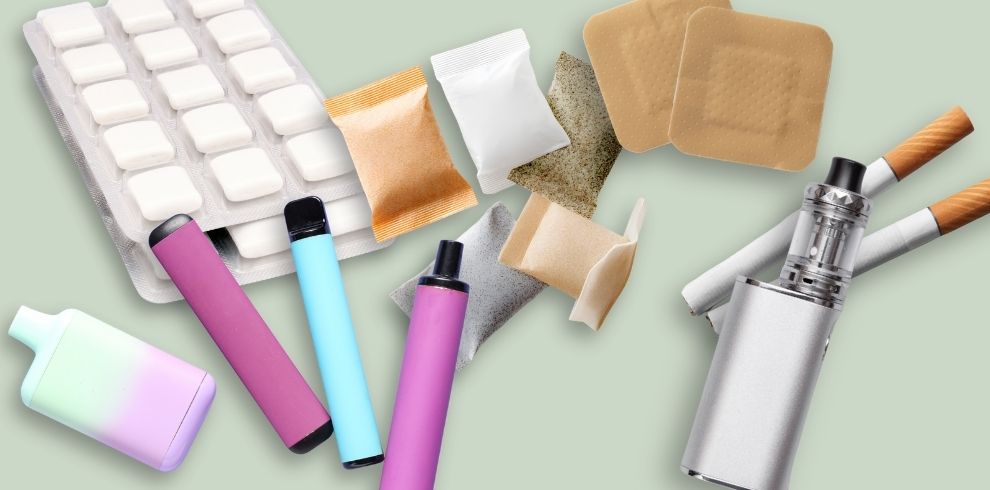
Nicotine addiction affects millions of Americans. According to the CDC, “Tobacco product use remains the leading cause of preventable disease and death in the United States. 49.2 million — or nearly 1 in 5 — U.S. adults reported tobacco product use.” While quitting can feel overwhelming, it’s one of the most powerful changes you can make to improve your long-term health. Whether you smoke, vape or use other nicotine products, the right support can make all the difference.
The appeal of “natural” and nicotine-free alternatives
As awareness of nicotine’s health effects grows, people are exploring herbal and “natural” products marketed as safer substitutes. These alternatives often mimic the sensory experience of smoking or vaping — something to hold, inhale or taste – without nicotine. For many, this behavioral replacement can make the idea of quitting seem more manageable. Common examples include:
Nicotine-free vitamin and herbal inhalers
- What they are: Referred to as “natural vapes”, these inhalers use heat-not-burn technology to vaporize a blend of botanical extracts and vitamins.
- Common ingredients: Chamomile, lavender, peppermint, ginseng and B-vitamins.
- Potential benefits: Provide a nicotine-free, non-addictive sensory experience that may help reduce cravings.
- What to consider: While they may be marketed as safer than traditional vapes, the long-term safety of inhaling vitamins and plant extracts isn’t yet proven, according to the Arkansas Center for Health Improvement (ACHI). Before trying one, check ingredients and discuss potential risks with your healthcare provider.
Herbal Energy and Supplement Pouches
- What they are: Small pouches used like tobacco dip, placed between the lip and gum, but made without nicotine or tobacco.
- Common ingredients: Tea-cut herbs such as green tea, yerba maté, and ginseng, often paired with B-vitamins or natural flavoring.
- Potential benefits: Said to offer a mild energy boost and physical oral sensation that can help replace the act of using nicotine pouches.
- What to consider: These may help with the behavioral habit of dipping or using nicotine pouches but won’t replicate the same sensation of nicotine delivery. “We know that quitting isn’t just about breaking a chemical addiction, says Dr. Ali Zirakzadeh, a Boulder Community Health (BCH) Internal Medicine physician. “For many people, it’s about replacing the familiar sensations and routines tied to smoking and vaping. Some of these newer, nicotine-free alternatives may help fill that gap – but it’s important to use them safely.”
Why “natural” doesn’t always mean safe
While these products may be marketed as “healthier,” most have not been studied or approved as stop-smoking aids. According to ACHI, the long-term safety of inhaling vitamins or botanical extracts is unknown. Similarly, herbal pouches may mimic the oral habit of nicotine use but provide no evidence-based benefit for reducing cravings or preventing relapse.
The American Cancer Society (ACS) reminds consumers that, “There is little scientific evidence to support the use of homeopathic aids and herbal supplements as stop-smoking aids. Be sure to look closely at the label of any product that claims it can help you stop smoking.”
“Our goal is to help patients quit nicotine safely — not trade one dependency for another,” adds Dr. Zirakzadeh. “If you’re curious about nicotine-free alternatives, talk to your doctor or a cessation counselor to find an approach that truly supports your health.”
The proven, evidence-based quitting strategies
While alternative products may help some people address habits, the most effective ways to quit nicotine are backed by research. Combining behavioral support, medical therapy and social accountability offers the best chance of success.
1. Behavioral support and counseling
Talking with a tobacco treatment specialist, counselor, or primary care provider can help you understand triggers and develop coping skills. Cognitive Behavioral Therapy (CBT) is especially effective at replacing habits tied to nicotine use with healthier alternatives.
2. Nicotine Replacement Therapy (NRT)
NRT delivers a controlled dose of nicotine through patches, gum, lozenges, inhalers, or sprays — without the harmful chemicals in tobacco. According to the American Cancer Society, “Studies show NRT can almost double the chances of quitting smoking.”
3. Prescription medications
Certain medications, such as bupropion or varenicline, can reduce cravings and withdrawal symptoms. Talk to your primary care provider to see which option is best for you.
4. Social and community support
Support from friends, family, and community programs — like “quitlines” and group counseling — can help you stay accountable and motivated. Sharing your journey with others makes a big difference.
The health benefits of quitting
The health impacts of nicotine are serious. The American Cancer Society states, “Smoking does more than just cause cancer. It can also cause a number of other diseases and can damage nearly every organ in your body including your lungs, heart, blood vessels, reproductive organs, mouth, skin, eyes, and bones.” Nicotine use increases the risk of heart disease, stroke, lung disease and several types of cancer. It can also slow healing, weaken the immune system, and contribute to chronic inflammation.
The good news? However long you’ve been using nicotine, quitting brings immediate and long-term benefitsfor your heart, lungs and overall well-being. Within days, your blood pressure and circulation begin to improve. After just a few weeks, coughing and shortness of breath decrease. Over time, your risk of heart attack, stroke, and cancer drops significantly — helping you breathe easier, feel more energetic, and protect your long-term health.
Quitting isn’t easy, and it often takes several attempts — but you don’t have to do it alone. If you or someone you know is thinking about quitting or cutting back, start by talking with your primary care provider. Your provider can help you explore proven tools like coaching, counseling, and nicotine replacement therapy, many of which are covered by insurance or available at low or no cost.
Boulder Community Health offers programs and resources to support every stage of the quitting journey. Coaching, nicotine replacement therapy, and social support are available through a variety of trusted programs and partners.
Helpful Resources:
- Colorado QuitLine – Free, personalized support online or by phone, including coaching sessions and nicotine replacement therapy.
- Website: www.coquitline.org
- Phone: 1-800-QUIT-NOW (1-800-784-8669)
- Offers 8 weeks of coaching, self-help guides, follow-up calls, and a free supply of nicotine patches, gum, or lozenges.
- American Cancer Society – Resources, tools, and guidance for quitting.
- Website: cancer.org/healthy/stay-away-from-tobacco.html
- Phone: 1-800-227-2345
- American Heart Association – Resources on how quitting improves cardiovascular health.
- Website: heart.org/en/healthy-living/healthy-lifestyle/quit-smoking-tobacco
- Phone: 1-800-242-8721
- American Lung Association – Programs and tips for becoming tobacco-free.
- Website: lung.org/stop-smoking
- Phone: 1-800-LUNG-USA (1-800-586-4872)
- Nicotine-Free Support Group – For ongoing community support.
- Learn more at UCHealth Smoking Cessation Services.