Healthy Gardening Guide: 7 weeding tips
- Category: General
- Posted On:
- Written By: Boulder Community Health
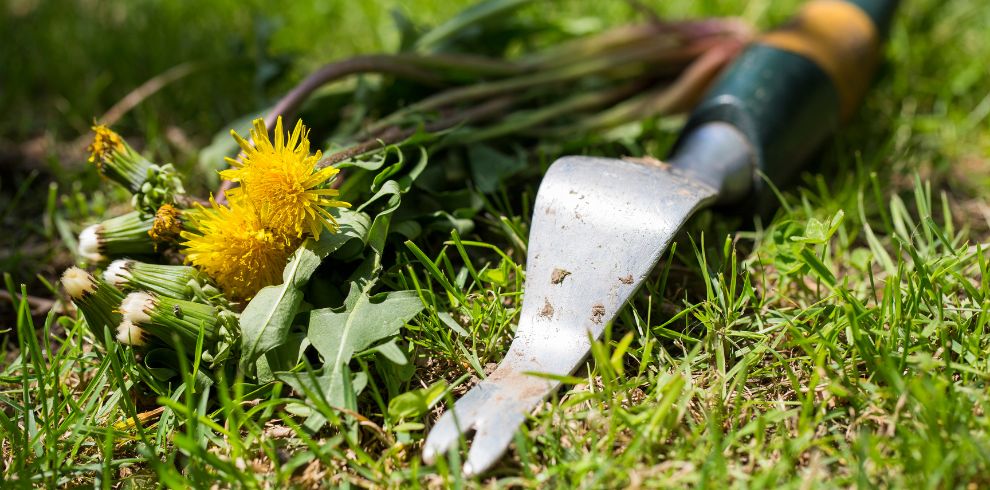
With summer in full swing, gardeners across the front range continue the months-long battle against stubborn weeds in our flower and vegetable beds. Before reaching for the chemical weed killer that can harm our ecosystem, consider more natural alternatives that are better for the environment and provide a good workout.
Manually pulling weeds is a full body challenge. Our legs and especially hamstrings are used to repeatedly at the waist. Arm, hand and back strength is required to grip and pull deep root systems. Maintaining good balance is also important to keep on your feet and avoid falls. Maintaining good form and keeping these tips in mind can help you stay safe and healthy as you clear your garden of unwanted weeds.
Use knee pads
If you are weeding an area on the ground, bending over for long periods can tax your body unnecessarily. If you can get up from your hands and knees easily, consider kneeling with knee pads to take pressure off your back. There are many knee pad options available at your local garden store.
Use a standing weed-puller
Even if you can easily get up from your hands and knees, save your back, hands and arms the trouble and use a weed pulling tool to get the job done faster with less effort so you can garden again tomorrow. There are many options available such as Grampa’s Weeder, a classic garden staple.
Wear protective gloves and sleeves
Some weeds—like thistles—are spiky and can cause skin irritation while others are poisonous—like poison hemlock—and must be handled carefully. Choose a pair of gloves that fits well with thick material to protect from blisters or thorns.
Wait until it rains
A day or two after a rainstorm is the best time to pull weeds as the ground is softer and makes it easier to pull out the whole root system. Getting the whole root system out now prevents weeds regrowing later in the season.
Use an eco-friendly weed barrier
Using a biodegradable weed barrier can help reduce time spent weeding on your hands and knees—choose a barrier that doesn’t create more work next year.
- Non-biodegradable landscape fabric might do a good job smothering existing weeds and preventing seed germination, but soil and seeds collect on top of the barrier quickly and new weeds will grow. Often made of woven plastic, these barriers can compact your soil, restrict of water and air flow, and interrupt the breakdown of organic matter resulting in poor soil quality.
- Biodegradable plain cardboard or newspaper, or a deep layer of natural material like pine needles, straw, or wood chip mulch are effective options. While a biodegradable weed barrier may need to be laid fresh every few years, it’s a much less work than pulling up old landscape fabric buried under layers of collected soil. Resources like ChipDrop offer free mulch delivery—or just call your local arborist to inquire.
- Plant groundcover. Perhaps the very best weed prevention option is to plant every inch of your exposed soil with desirable groundcover. Plants that grow a thick carpet of ornamental or useful greenery prevent sunlight from germinating weed seeds, adding beauty and substance to any garden. Native, drought-tolerant plants will always perform best, so consider non-invasive options like snow-in-summer, iceplant, lamb’s ears, or creeping thyme. CSU Extension provides extensive guides on groundcover options to best fit your garden conditions.
Know what weeds you’re pulling
Identifying your weeds may help you know how best to pull and dispose of them. Thistles have thorns but are easy to pull in damp soil, dandelions are notoriously difficult to pull by hand, and some plants like poison ivy or leafy spurge may irritate your skin. Knowing what you’re up against can help you more effectively eradicate weeds and lessen your workload later in the season. Apps like PlantNet, iNaturalist or Picture This can be useful tools in identifying weeds.
Beware of poisonous plants
Many weeds in Colorado can be toxic if ingested or can irritate your skin and eyes. Take care to identify your weeds before removal, and always wear gloves and long sleeves to protect your skin.
- Noxious weeds are invasive species that spread aggressively and crowd out beneficial native plants, risking the balance of our ecosystem. It’s best to remove noxious weeds soon as possible before they flower and develop seeds that can spread. The Colorado Department of Agriculture Noxious Weed Species ID guide can help you identify problem plant species and get in touch with your County Weed Manager.
- Poisonous plants. Colorado State University also hosts an extensive and helpful poisonous plant database complete with images, maps, and lists species affected by each plant complete with symptoms, biological effects and some treatments. Be on the lookout for weeds like poison hemlock, water hemlock, death camas, black henbane, black or deadly nightshade which can all be deadly if ingested. Use caution when handling species like leafy spurge, myrtle spurge, poison oak, poison sumac and poison ivy which can cause skin irritation and rash.
Stay tuned for a more detailed issue of BCH’s Healthy Gardening Guide for a closer look at poisonous plants, how to spot symptoms, and when to get medical help.